
3D Interior Rendering Trends That Will Define Luxury Real Estate in 2026
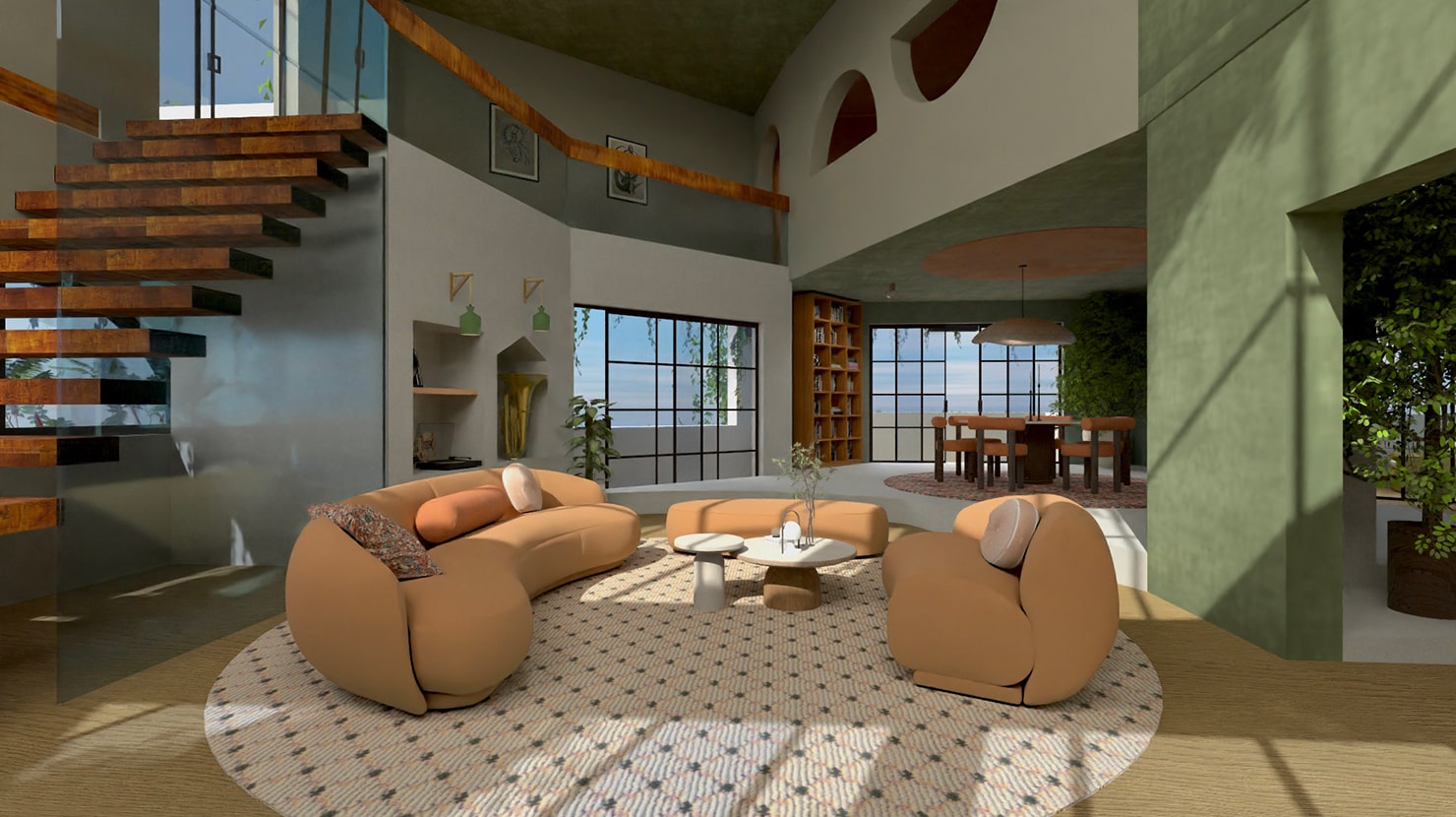
Luxury real estate is entering a new visual era. Buyers are no longer impressed by static images, glossy brochures, or floor plans that promise more than they reveal. In 2026, the expectations around property visualization are climbing to a level where digital storytelling becomes the defining advantage. The competition for attention, trust, and emotional persuasion should begin long before construction ever touches the land. It should start on a screen, through immersive 3D interior walkthroughs and cinematic visual experiences that allow buyers to feel a future they cannot yet physically enter.
For high-end developers, 3D interior rendering services are no longer marketing extensions. They have become essential conversion tools. Today’s luxury buyers, whether investing in Dubai, Riyadh, London, Singapore, or Mumbai, expect visual certainty and not imagination. They want to understand a property in motion: how light travels through a space, how materials behave when touched, how silence, comfort, privacy, and lifestyle unfold within each frame.
This blog explores the 3D interior rendering trends that will define luxury real estate in 2026, and why the future belongs to those who treat visualization as more than representation, but as persuasion.
What Is Driving the Evolution of 3D Interior Walkthroughs in Luxury Real Estate?
Luxury real estate is no longer sold through architectural drawings. It is sold through immersive emotional experiences. The rise of remote global investors has changed the rules, most premium property buyers are making decisions without ever visiting the site. For them, the 3D interior walkthrough is the first and sometimes the only experience of the property before signing.
Developers are shifting from photoreal images to interactive experiences where buyers can walk through rooms, explore lighting moods, compare styling options, and experience scale, movement, and ambience. A walkthrough is no longer a tour, it is a visual argument that answers the subconscious buyer’s question: “Can I see myself living here?”
Why Are 3D Interior Walkthroughs Becoming Essential for Premium Real Estate?
In luxury buying, emotion decides faster than information. Investors and homebuyers respond not to technical breakdowns, but to how a space makes them feel. Architectural rendering is no longer about showing a living room. It is about showing what a living room feels like at 5 PM when golden light melts across bronze metal accents and reflects softly across marble floors.
Buyers today evaluate:
- Spatial flow and privacy transitions
- Natural lighting accuracy
- Acoustic softness and atmospheric calm
- Material depth and richness
- Lifestyle realism (family, bachelor, or holiday-home configuration)
When photorealistic interior rendering is done right, it becomes the silent salesperson, converting without hard selling.
Which CGI Interior Design Trends Will Dominate in 2026?
In 2026, luxury visualization will be driven by CGI interior design trends, which are focused on sensory richness rather than ornamental volume. The era of cold, futuristic minimalism is ending. Luxury is shifting toward warm minimal luxury, where calmness, softness, and depth replace glass-and-chrome sterility.
The upcoming interior visualization trends include:
- Biophilic & wellness-based interiors — organic stones, green textures, natural lighting maps, water reflections, and breathable material palettes.
- Cinematic lighting — directional light, architectural shadows, volumetric haze, soft reflections, and mood-based atmospheres.
- Texture authenticity — procedural detailing that captures veins in marble, pores in leather, and the irregularity of natural wood.
- Multiple lifestyle staging — variations for GCC family layouts, European contemporary minimalism, bachelor luxury, retirement calm, or branded residences.
Visuals are shifting from beauty to well-being as a luxury narrative.
How Will Photorealistic Interior Rendering Elevate Buyer Trust and Conversion?
Trust is the real currency of premium real estate. One unrealistic reflection or one plastic-looking stone texture is enough to break it. In 2026, premium interior renderings must offer micro-truths: the way brushed steel handles scatter highlights, the inconsistency in handmade tiles, the light-scatter of Venetian plaster, the grain direction in smoked oak.
Photorealistic interior rendering trends will rely heavily on:
- High-fidelity displacement
- Real spectral lighting simulation
- Tactile imperfection mapping
- Physically based refraction and metallic behaviors
The closer an image feels to being touchable, the faster a buyer says yes.
What Role Will AI Play in Modern Interior Design Visuals in 2026?
AI is becoming a handy tool for designers, and it is accelerating decision speed.
AI-assisted tools can:
- Generate instant mood prototypes
- Suggest material combinations based on brand identity
- Create real-time layout variations
- Predict buyer preference patterns
This means quicker approvals, fewer revision cycles, and vastly reduced friction between developers, designers, and marketing teams. AI is elevating the craft rather than automating it.
How Will Real-Time Rendering Shape Investor Decision Speed in 2026?
The future of visualization is real-time rendering powered by Unreal Engine, Enscape, and Twinmotion. Developers are demonstrating design choices in live meetings — switching materials, lighting temperatures, color palettes, and furniture sets within seconds rather than sending revisions over weeks.
Real-time interior rendering trends is transforming:
- Pre-launch sales velocity
- Marketing presentation power
- Stakeholder alignment
Luxury real estate has no patience for slow visuals, speed is their prestige.
How is Cultural Personalization Influencing Premium Interior Renderings Trends?
Ultra-luxury projects sell globally, but expectations are regional. A GCC buyer wants grand majlis-style reception areas; a Scandinavian buyer prefers quiet natural textures; a Russian buyer resonates with dramatic stone and metallic contrast.
Premium interior renderings are adapting visual narratives based on buyer identity and not on generic style boards. One property, many identities — that is where 2026 interior rendering trends are heading.
Why End-to-End 3D Interior Rendering Services Will Be a Competitive Advantage in 2026
Developers want cohesion. Outsourcing rendering, brochures, walkthroughs, and VR experiences to different vendors breaks visual identity. The future belongs to teams who can deliver everything:
- Renders
- Animations
- 3D interior walkthroughs
- VR/AR showrooms
- Marketing visuals
- Launch presentations
Consistency is the new indulgence in the best 3D interior rendering trends for luxury homes.
Final Thoughts
The luxury market is no longer persuaded by decoration or surface beauty. It is persuaded by emotional certainty, sensory depth, and believable experience.
The best 3D interior rendering services for luxury homes in 2026 will focus on cinematic storytelling, tactile materials, warm minimal luxury, real-time rendering, biophilic design simulation, AI-accelerated decision cycles, and deeply personal visual identity.
Luxury buyers don’t purchase interiors. They purchase how those interiors make them feel. And in 2026, these feelings will be engineered through the screen before they ever step inside the home.
If you’re looking for premium 3D interior rendering services built for high-end real estate, Rare Design Hive transforms architecture into desire. With photorealistic interior visualization built to sell, we craft visuals that move decisions, build trust, and emotionally anchor every square foot.

Basanti Brahmbhatt
Basanti Brahmbhatt is the founder of Shayaristan.net, a platform dedicated to fresh and heartfelt Hindi Shayari. With a passion for poetry and creativity, I curates soulful verses paired with beautiful images to inspire readers. Connect with me for the latest Shayari and poetic expressions.