
Paws and Play: How to Pick the Perfect Dog Toy
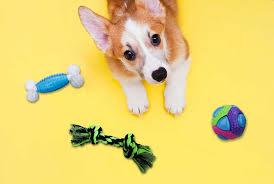
Walking down the toy aisle of a pet store can feel overwhelming. You are surrounded by a sea of squeakers, ropes, balls, and puzzles in every color imaginable. You want to spoil your furry best friend, but how do you know which toy they will actually love? More importantly, how do you know which one is safe?
Toys are not just luxury items for dogs; they are necessities. A good toy provides mental stimulation, physical exercise, and comfort. It prevents boredom and can even save your favorite pair of shoes from being chewed to pieces. But not all dog toys are created equal. What works for an energetic Border Collie might be completely useless for a napping Bulldog.
In this guide, we will walk you through everything you need to know to select the perfect plaything for your pup. We will cover how to match toys to your dog’s unique personality, break down the different categories of toys, and give you the essential safety tips every owner needs.
Know Your Dog: The First Step to Toy Success
Before you buy anything, you need to analyze who you are buying for. Just like humans, dogs have distinct preferences and physical needs that change over time. Ignoring these factors is the quickest way to waste money on a toy that gathers dust in the corner.
Age Matters
A dog’s dental health and energy levels shift dramatically as they age.
- Puppies (8 weeks to 9 months): These little land sharks are teething. They need soft rubber toys or specific teething toys that soothe their sore gums without damaging their baby teeth. Avoid hard nylon bones at this stage, as they can be too tough.
- Adult Dogs (1 year to 7 years): This is the prime chewing age. Adult dogs generally have strong jaws and need durable chew toys that can withstand vigorous gnawing.
- Senior Dogs (7+ years): As dogs get older, their teeth may become sensitive or brittle. Senior dogs often prefer softer, plush toys or gentler rubber compounds that are easy on the jaw but still fun to carry around.
Size and Strength
A toy’s size must match your dog’s size. A Great Dane could easily swallow a ball meant for a Chihuahua, posing a life-threatening choking hazard. Conversely, a Yorkshire Terrier will get frustrated trying to carry a heavy rope toy meant for a Mastiff.
Always check the packaging for weight recommendations. If your dog is a “power chewer” (we’re looking at you, Pitbull and Lab owners), you need to look for labels that specify heavy-duty dog toys or “indestructible” ratings. Standard plush toys will likely last less than five minutes with these strong-jawed pups.
The Play Style Profile
Observe how your dog plays. Do they:
- Shake and Kill: These dogs love plush toys with squeakers. They grab the toy and shake their head violently.
- Chew and Destroy: These dogs settle down and gnaw. They need tough nylon bones or thick rubber toys.
- Chase and Retrieve: These high-energy dogs live for the ball. Fetch toys and frisbees are their best friends.
- Solve and Sniff: These are the thinkers. They get bored easily and need interactive puzzle toys to keep their brains busy.
The Toy Chest Breakdown: Exploring Your Options
Now that you know your dog’s profile, let’s look at the different categories available. A well-rounded toy box should have a mix of these to cater to different moods.
1. Chew Toys: The Dental Defenders
Chewing is a natural instinct for dogs. It relieves stress and keeps teeth clean by scraping away plaque. Durable chew toys are essential for saving your furniture.
- Hard Rubber Toys: These are the gold standard for durability. Many have hollow centers where you can hide treats, extending playtime significantly.
- Nylon Bones: These are excellent for aggressive chewers. As the dog chews, the nylon bristles up, which acts like a toothbrush.
- Edible Chews: While not technically toys, bully sticks and dental chews fall into this category. They are great for a special treat but don’t last as long as non-edible options.
2. Interactive Puzzles: The Brain Games
A tired dog is a good dog, but physical exercise isn’t the only way to tire them out. Mental exhaustion is just as effective. Interactive dog toys and puzzles challenge your dog to solve a problem to get a reward.
- Treat Dispensers: These toys, often shaped like balls or UFOs, drop kibble as your dog rolls them around. They are fantastic slow feeders for dogs who inhale their dinner.
- Hide-and-Seek Plushies: These involve a larger plush object (like a tree trunk) stuffed with smaller plush animals (like squirrels). Your dog has to work to pull the smaller toys out.
- Strategy Games: These are board games for dogs. They involve sliding playing pieces, lifting flaps, or pressing buttons to reveal hidden treats.
3. Fetch Toys: The Energy Burners
For the active dog, nothing beats a game of fetch. It creates a strong bond between you and your pet while burning off excess calories.
- Balls: The classic choice. Look for high-bounce balls that are durable enough to survive the catch. Avoid standard tennis balls for heavy chewers, as the abrasive felt can wear down tooth enamel over time.
- Discs and Flyers: These are great for athletic dogs who love to jump. Look for soft rubber discs that won’t hurt your dog’s mouth if they catch it mid-air.
- Launchers: If you have a high-energy dog but a low-energy throwing arm, a ball launcher is a game-changer, allowing you to throw the ball three times as far with minimal effort.
4. Comfort Toys: The Snuggle Buddies
Some dogs just want a baby. Soft toys can provide comfort to dogs with anxiety.
- Plush Toys: These are great for carrying around and sleeping with. However, they are generally not suitable for unsupervised play if your dog is a shredder.
- Heartbeat Toys: Designed for puppies or anxious dogs, these toys simulate a heartbeat and can be incredibly soothing during thunderstorms or crate training.
Safety First: Materials and Hazards
The pet toy industry is not as strictly regulated as children’s toys, which means it is up to you to be the safety inspector. The most important rule of thumb is to choose pet-safe materials.
Materials to Look For
- Natural Rubber: This is durable, non-toxic, and has a satisfying bounce. It is generally the safest bet for most dogs.
- 100% Cotton Rope: Great for tug-of-war and flossing teeth. Ensure the threads are natural cotton so they are digestible in small amounts (though you should prevent your dog from swallowing them).
- TPR (Thermoplastic Rubber): A modern material that is lightweight, durable, and holds up well to weather, making it great for outdoor toys.
Materials to Avoid
- PVC/Vinyl: Cheap plastic toys often contain phthalates and BPAs, which can be harmful to your dog’s health over long-term exposure.
- Toxic Dyes: If a toy has a strong chemical smell or the paint rubs off on your hand, put it back on the shelf.
- Heavy Metals: Avoid cheap, painted toys from unknown manufacturers, as the paint can sometimes contain lead.
The Size Rule
We touched on this earlier, but it bears repeating: Size is a safety issue.
A toy should never be small enough to be swallowed or lodged in the back of your dog’s throat. If a ball can fit entirely inside your dog’s mouth behind their canine teeth, it is a choking hazard. When in doubt, size up.
Additionally, keep an eye on the condition of the toy. No toy is truly indestructible. Once a rubber chew toy starts breaking into chunks, or a rope toy starts fraying into long strands, it is time to throw it away. Ingesting these pieces can lead to expensive emergency surgery for intestinal blockages.
The Connection Between Play and Health
Choosing the right dog toy isn’t just about fun; it’s a health investment.
Physical Health:
Obesity is a major problem in pets. Engaging toys like fetch balls and tug ropes encourage movement. Even 20 minutes of active play a day can help maintain a healthy weight and keep joints mobile.
Mental Health:
Boredom is the root of many behavioral issues. A bored dog is a destructive dog. Providing enrichment toys gives your dog a job to do. Licking, chewing, and sniffing are self-soothing behaviors that release endorphins in a dog’s brain. For dogs with separation anxiety, a frozen treat dispenser can turn the scary experience of you leaving into a positive, tasty event.
Bonding:
Perhaps the most significant benefit is the bond it builds. Playing tug-of-war or fetch requires two participants. These shared moments of joy reinforce the trust and affection between you and your dog. It teaches them to look to you for fun and guidance.
Conclusion
Finding the perfect toy might require a little trial and error, but understanding your dog’s needs is half the battle. By considering their age, respecting their play style, and prioritizing safe materials, you can curate a toy collection that enriches their life.
Don’t be afraid to rotate toys. Dogs can get bored with the same old ball just like we get bored with the same old TV show. Keep a few toys in a cupboard and swap them out every week to keep the excitement fresh.
So, next time you are in the pet aisle, skip the impulse buy. Look for that durable rubber chew for your power chewer, or that intricate puzzle toy for your smarty-pants pup. Your dog might not be able to say “thank you,” but that wagging tail and happy bark will say it all.

Basanti Brahmbhatt
Basanti Brahmbhatt is the founder of Shayaristan.net, a platform dedicated to fresh and heartfelt Hindi Shayari. With a passion for poetry and creativity, I curates soulful verses paired with beautiful images to inspire readers. Connect with me for the latest Shayari and poetic expressions.