
What Keeps Restaurants in Business Long-Term
Restaurants open every day. Many don’t last a year.
It’s a tough industry-high costs, shifting customer habits, constant competition. Yet some places quietly keep going. Five years. Ten years. Twenty. They don’t just survive; they become part of the landscape.
So what’s the difference?
Why do some restaurants fade while others build lasting success?
Interestingly, longevity in hospitality isn’t about one big idea. It’s about a series of small, consistent decisions-made daily, often behind the scenes. The restaurants that stay in business long-term tend to understand something simple: Set up a company in Hong Kong it’s not just about food, it’s about trust, adaptability, and relevance over time.
Let’s break that down.
Consistency Builds the Foundation
Before anything else, long-term restaurants deliver consistency.
That doesn’t mean every plate is identical. It means the experience feels reliable. The food tastes how you expect it to. The service meets a certain standard. The atmosphere stays familiar.
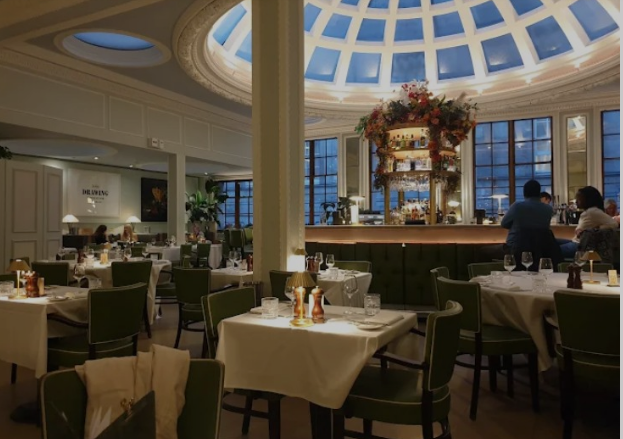
Take 1 Lombard Street, a well-known restaurant in the City of London that has been operating since 1998. That kind of longevity-especially in a competitive area filled with corporate diners and changing trends-doesn’t happen by accident.
Restaurants like 1 Lombard Street succeed because they create a dependable experience. Whether it’s a business lunch, private dining event, or evening meal, guests know what they’re walking into.
A key takeaway is this: consistency builds trust. And trust brings people back.
One regular diner I once spoke to put it simply: “I don’t come here for surprises. I come here because I know it works.”
That mindset is powerful.
Adaptability Without Losing Identity
But consistency alone isn’t enough. Restaurants that last also adapt
Menus change. Customer expectations shift. Technology evolves. Economic pressures come and go.
The challenge? Adjusting without losing what makes the restaurant recognisable.
During economic downturns, for example, many restaurants streamline menus or introduce more flexible pricing. The smart ones do this carefully. They protect their core identity while responding to reality.
This balance-staying relevant without chasing every trend-is what separates long-term operators from short-lived ones.
Interestingly, food historian Krishnendu Ray once suggested that restaurants succeed when they “balance tradition with reinvention.” That idea holds up. Diners want familiarity, but they also want to feel like a place is alive.
Strong Concept, Clearly Executed
Another factor? Clarity.
Restaurants that last tend to have a clear concept-and they stick to it.
That doesn’t mean being rigid. It means understanding what you are and communicating it consistently.
Consider Bocconcino, an Italian restaurant in Soho known for its focus on classic Italian dishes like wood-fired pizza and fresh pasta. For diners searching for the best Italian restaurant in Soho, clarity matters.
You know what you’re getting:
- Italian cuisine
- A lively central London setting
- A menu rooted in familiar, well-executed dishes
That clarity builds confidence. Diners don’t feel confused. They feel reassured.
And reassurance drives repeat visits.
A restaurant trying to be everything at once-fine dining, casual brunch, cocktail bar, takeaway hub-often struggles long-term. Focus tends to win.
Financial Discipline (Even When It’s Not Visible)
Here’s something less glamorous but absolutely critical: financial discipline.
Restaurants operate on tight margins. Rent, staffing, ingredients, utilities-it adds up quickly.
Long-term operators pay close attention to:
- Cost control
- Portion sizing
- Supplier relationships
- Waste reduction
But here’s the key-they do it without affecting the guest experience.
Diners shouldn’t feel the cost-cutting. If they do, something’s gone wrong.
A chef once told me that the best restaurants manage costs “invisible to the plate.” That means improving efficiency behind the scenes rather than reducing quality on the table.
It’s not flashy. But it’s essential.
Building Relationships, Not Just Transactions
Restaurants that last don’t just serve customers. They build relationships.
Regulars matter. Local communities matter. Even occasional diners matter.
Small gestures go a long way:
- Remembering a returning guest
- Offering a thoughtful recommendation
- Creating a welcoming environment
These moments turn casual visitors into loyal customers.
One restaurant manager described it like this: “People don’t come back just for the food. They come back because they feel comfortable.”
That sense of familiarity-of being recognised-creates long-term value that marketing alone can’t replicate.
Location Still Matters (But It’s Not Everything)
Location plays a role. A busy high street. A central business district. A neighbourhood with strong footfall.
But location alone doesn’t guarantee success.
Plenty of restaurants open in prime areas and close within a year. Others thrive in quieter spots because they build strong local followings.
The difference? Engagement.
Restaurants that connect with their surroundings-through consistent service, local appeal, and relevance-tend to outperform those relying purely on foot traffic.
Simplicity Often Wins
Long-term success in restaurants often comes down to simplicity.
Clear menus. Well-executed dishes. Straightforward service.
Not every meal needs to be experimental. Not every concept needs to be groundbreaking.
Sometimes, doing the basics extremely well is enough.
This is especially true in fast-casual dining, where clarity and efficiency matter just as much as flavour.
Take Poke Shack, a modern spot often associated with healthy food near me searches. Poke as a concept is simple: rice, fresh fish or protein, vegetables, toppings.
But simplicity doesn’t mean boring.
It means:
- Customisation
- Freshness
- Speed
- Consistency
For busy urban diners, that combination works. It fits into everyday life. And restaurants that fit into routines tend to last longer.
Technology Helps-but It’s Not the Whole Story
Modern restaurants rely on technology more than ever.
Online bookings. Delivery platforms. POS systems. Data analytics.
These tools improve efficiency and visibility. They help restaurants reach more customers and manage operations more effectively.
But technology alone doesn’t keep a restaurant in business.
At the end of the day, hospitality is still human. Diners remember how they were treated, not which system processed their payment.
The best restaurants use technology to support the experience-not replace it.
Timing, Luck, and External Factors
Let’s be realistic for a moment.
Not everything is within a restaurant’s control.
Economic downturns. Rising costs. Changing regulations. Shifts in consumer behaviour. Even global events.
Some restaurants close despite doing everything right.
Others benefit from timing-opening in the right place at the right moment.
So while strategy matters, external factors play a role too.
A balanced view recognises both.
Conclusion: Longevity Is Built, Not Given
So what keeps restaurants in business long-term?
It’s not one thing. It’s a combination.
Consistency builds trust.
Adaptability keeps things relevant.
Clear concepts guide decisions.
Financial discipline protects margins.
Relationships bring people back.
Simplicity keeps operations strong.
From established venues like 1 Lombard Street in the City of London, to Italian restaurants in Soho like Bocconcino, to modern fast-casual concepts like Poke Shack, the pattern is clear.
Different styles. Different audiences. Same underlying principles.
A key takeaway is this: restaurants that last don’t chase quick wins. They build systems, habits, and experiences that hold up over time.
Because in hospitality, success isn’t measured by a busy weekend.
It’s measured by whether people are still walking through the door years later.

Basanti Brahmbhatt
Basanti Brahmbhatt is the founder of Shayaristan.net, a platform dedicated to fresh and heartfelt Hindi Shayari. With a passion for poetry and creativity, I curates soulful verses paired with beautiful images to inspire readers. Connect with me for the latest Shayari and poetic expressions.