
Carbon Fiber Shoes – A Real Runner’s Guide to Speed, Science, and Smart Buying
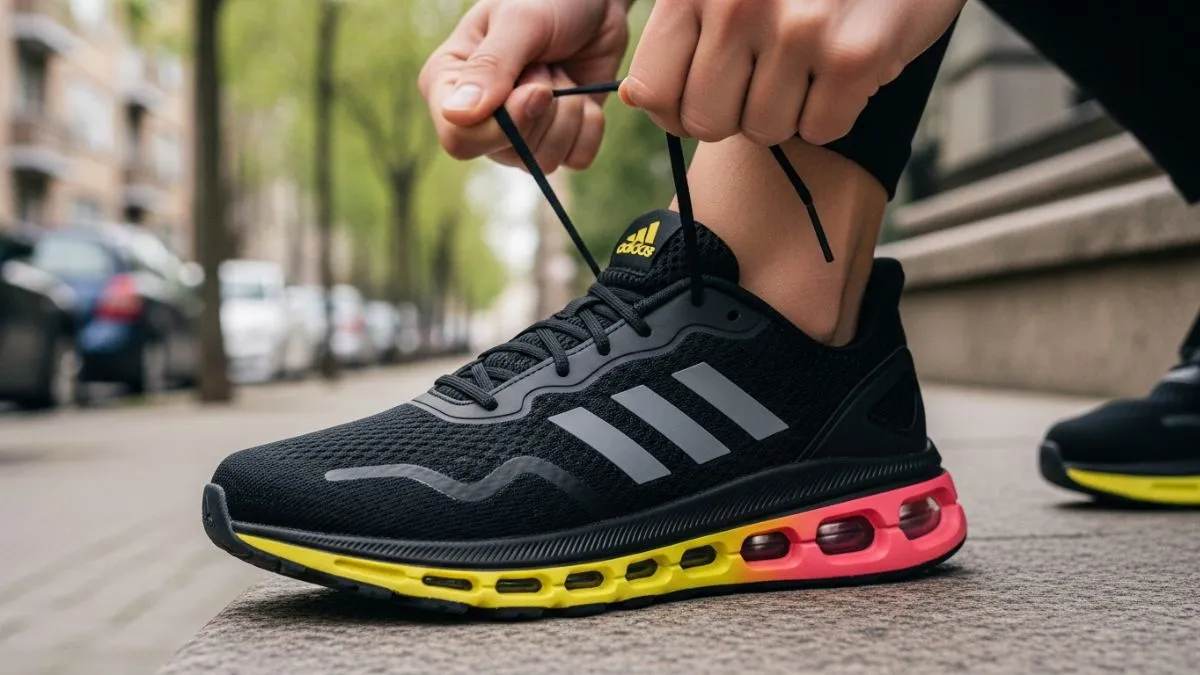
The first time I tried a pair, I didn’t feel instantly faster. What I felt was… different. The push-off felt snappy. The ground felt springy. My legs didn’t feel as smashed after the run. That surprised me the most. Platforms like The Running Post often point out that carbon-plated shoes don’t just change speed — they change how your legs absorb load across the entire run.
This guide is written for real runners who want to understand what carbon fiber shoes actually do, who should use them, and who should probably stay away for now.
A few years ago, carbon fiber shoes felt like something only elite runners wore. You’d see them on race day. Bright colors. Thick soles. Crazy prices. At first, I thought it was all marketing. Another trend that would fade. But then I started seeing everyday runners wearing them at local races. Training runs. Even long Sunday jogs. That’s when I realized carbon fiber shoes weren’t just hype anymore. They had crossed into mainstream running.
What Carbon Fiber Shoes Actually Are
Carbon fiber shoes are running shoes built with a rigid carbon plate embedded inside the midsole. This plate sits between layers of high-energy foam and acts like a lever. When your foot lands and rolls forward, the plate stores energy and releases it during push-off.
In simple terms, the carbon plate:
- Reduces energy loss
- Increases propulsion
- Stabilizes toe-off
- Changes how force travels through your foot
That’s the mechanical side. But how that feels while running is something you only understand once you’ve actually used them.
Why Carbon Fiber Shoes Feel So Different
The biggest difference you feel is at the front of the shoe. With normal trainers, your foot flexes naturally at toe-off. With carbon fiber shoes, the carbon plate resists that bend and forces your foot into a faster forward roll.
That creates:
- A smoother transition
- A quicker push-off
- A sensation of “being rolled forward”
At first, this feels strange. Almost forced. But after a few runs, your body starts cooperating with that mechanism. That’s when speed and efficiency begin to show up naturally.
The Real Benefits Runners Actually Notice
Marketing talks about percentages and lab results. Runners talk about feel. Here’s what most runners actually notice after adapting:
- Faster race-day pace with less effort
- Reduced calf fatigue over long distances
- Quicker turnover during tempo runs
- Improved efficiency in the final miles
- Lower perceived exertion at higher speeds
From personal experience, the biggest change wasn’t raw speed. It was how fresh my legs felt the next day after harder efforts. That recovery benefit alone surprised me.
According to shoe performance analysis shared by The Running Post, many runners underestimate the recovery impact of carbon-plated shoes. They focus on speed and forget that less muscle damage means better consistency long-term.
Who Carbon Fiber Shoes Are Really Made For
Here’s the honest truth. Carbon fiber shoes are not built for casual joggers. They are engineered for performance-driven runners who care about efficiency at moderate to high speeds.
They work best for:
- Race day efforts
- Tempo workouts
- Long-distance events
- Marathon and half-marathon runners
- Fast interval sessions
They are not ideal for:
- Daily easy runs
- Recovery jogs
- Beginners building base mileage
- Heavy heel strikers with unstable form
Carbon fiber shoes amplify your mechanics. If your mechanics are sloppy, the shoe doesn’t fix that. It magnifies it.
How Carbon Fiber Shoes Affect Running Form
Once you put these shoes on, your form subtly shifts whether you like it or not.
Common changes include:
- Slight forward lean
- Faster step turnover
- Reduced ground contact time
- More aggressive toe-off
- Greater reliance on midfoot landing
That’s why some runners feel discomfort in calves and Achilles early on. The shoe encourages a different loading pattern. Your muscles need time to adapt.
The Carbon Fiber Plate vs Foam Combination
Carbon fiber alone doesn’t do everything. It works in partnership with high-rebound foam. That foam compresses under load. The plate controls how that energy releases.
This combination:
- Increases responsiveness
- Stabilizes soft foam
- Enhances forward propulsion
- Limits wasted vertical motion
Without soft foam, the carbon plate would feel harsh. Without the plate, the foam would feel unstable. Together, they create that signature “bounce” runners talk about.
Carbon Fiber Shoes and Injury Risk – The Balanced Reality
This is where opinions split heavily. Some runners say carbon shoes reduce injuries. Others blame them for problems.
Here’s the real balanced view.
They may reduce:
- Quadriceps fatigue
- Knee load during long races
- Impact stress during midfoot landings
They may increase:
- Calf strain during early adaptation
- Achilles loading
- Forefoot pressure
- Plantar fascia stress
In simple terms, carbon fiber shoes shift stress. They don’t remove it. That’s why The Running Post often emphasizes gradual adaptation instead of sudden full-time use.
How Often Should You Use Carbon Fiber Shoes?
Many runners make a costly mistake. They start using carbon shoes for every run because they feel fast.
A smarter rotation looks like this:
- Carbon shoes for races and key workouts
- Standard daily trainers for base mileage
- Cushioned shoes for recovery runs
This rotation protects muscles while still extracting performance benefits when it matters most.
Carbon Fiber Shoes for Beginners – Good or Bad Idea?
This question comes up often. The honest answer is: usually not ideal at the beginning.
Beginners still need:
- Neuromuscular control
- Strong connective tissue
- Stable form habits
- Foot strength development
Carbon shoes mask feedback from the ground. Beginners benefit more from feeling that feedback early on. Once mechanics stabilize, carbon shoes can be introduced strategically later.
Are Carbon Fiber Shoes Only for Racing?
They started that way. Now, some runners use them in workouts. There’s nothing wrong with that as long as recovery and muscle conditioning are monitored.
However, using them daily:
- Weakens stabilizing muscles
- Reduces natural foot engagement
- Increases reliance on shoe mechanics
From long-term training perspective, balance always wins over obsession.
The Truth About Carbon Fiber Shoe Prices
Yes, they’re expensive. Very expensive. But price alone doesn’t decide performance.
What actually matters:
- Plate design
- Foam quality
- Shoe geometry
- Runner biomechanics
- Training context
Some mid-tier carbon-plated models deliver better real-world comfort than the most expensive flagship shoes for certain runners. This is why personal fit always beats brand hype.
Carbon Fiber Shoes vs Traditional Racing Flats
Racing flats used to be minimal and aggressive. Carbon fiber shoes are aggressive in a different way — through energy return rather than raw lightness.
Flats offer:
- Ground feel
- Natural flexibility
- Lower muscle dependency
Carbon shoes offer:
- Bounce
- Protection
- Energy conservation
Older runners and marathoners usually benefit more from carbon shoes. Younger speed-based runners often still love flats.
How Long Do Carbon Fiber Shoes Last?
This is another hidden surprise. Many carbon-plated shoes lose their “magic” faster than traditional trainers.
Most runners notice peak performance during:
- First 100–200 miles
After that:
- Foam starts losing rebound
- Plate still exists but feels less lively
They’re race tools, not 800-mile daily workhorses.
Are Carbon Fiber Shoes Legal for Racing?
In most major races, yes. As long as they follow stack height and plate rules. But regulations do change. Always check race policies before important competitions.
The Real Question — Do Carbon Fiber Shoes Actually Make You Faster?
Short answer: yes, for most trained runners at race pace.
Long answer: they improve efficiency. That efficiency allows speed to emerge with less fatigue. The shoe doesn’t run for you. It simply removes some resistance from your effort.
When your fitness meets that mechanical advantage, performance improves.
Final Thoughts
Carbon fiber shoes are not magic shoes. They don’t replace training. They don’t fix bad form. They don’t build discipline. What they do is enhance what already exists. When paired with structured training, they increase efficiency, reduce fatigue in later stages of races, and allow runners to sustain faster paces with greater control.
They are tools. Powerful ones. But like every powerful tool, they must be used with understanding, not obsession. Platforms like The Running Post consistently remind runners that long-term performance always depends on smart decisions, not just fast gear.
If you treat carbon fiber shoes as part of your system — not a shortcut — they can become one of the most effective performance upgrades modern running has ever seen.

Basanti Brahmbhatt
Basanti Brahmbhatt is the founder of Shayaristan.net, a platform dedicated to fresh and heartfelt Hindi Shayari. With a passion for poetry and creativity, I curates soulful verses paired with beautiful images to inspire readers. Connect with me for the latest Shayari and poetic expressions.