
How to Cut Excavator Downtime: A Practical Maintenance Guide for Contractors and Fleet Managers
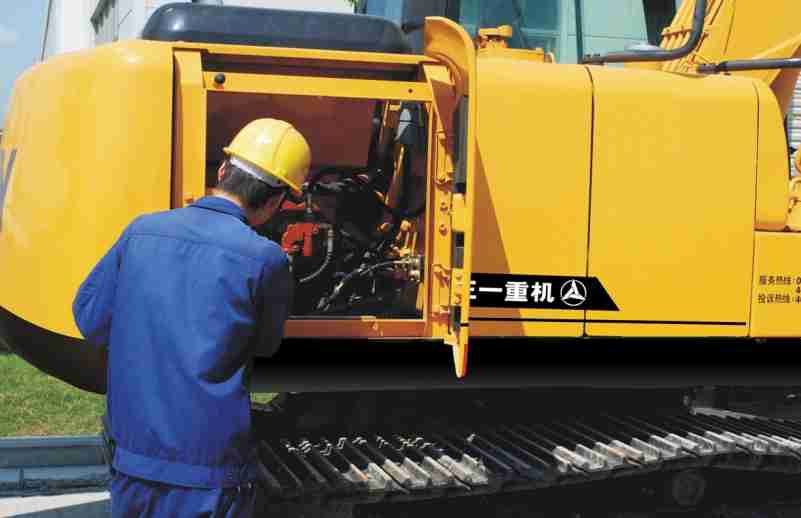
Keeping an excavator working—and earning—instead of sitting broken on site usually comes down to two things:
- Predictable excavator maintenance
- Fast, confident parts decisions
Whether you own one excavator or manage a mixed construction fleet, the gap between “fix it when it breaks” and “prevent it from breaking” shows up in your cycle times, fuel burn, and project schedules.
This guide walks through practical routines, checks, and documentation that reduce unplanned excavator downtime without turning your team into full-time mechanics.
Why Excavator Downtime Costs More Than a Single Repair
Unplanned excavator downtime is rarely just the cost of a pump, sensor, or wiring repair. It often triggers:
- Operators and ground crews standing idle
- Missed concrete or delivery windows
- Rescheduled trucks and subcontractors
- Liquidated damages or penalties on tight jobs
Contractors who track downtime carefully usually find that the true cost per hour of excavator downtime is 2–4× the repair invoice once delays and re-mobilization are included.
That is why the most profitable contractors and fleet managers treat excavator maintenance as a scheduling discipline, not just a workshop task.
The Two Components That Cause the Most Excavator Downtime
Many parts can sideline an excavator. But across mixed fleets, two systems dominate most downtime reports:
- Hydraulic main pump
- Engine wiring harness
Below is how to recognize early symptoms and what to do before they turn into full machine stoppages.
1. Excavator Hydraulic Main Pump
A tired or failing hydraulic pump usually gives early warning signs long before it fails completely.
Common Symptoms of a Failing Hydraulic Pump
- Slow cycles or weak digging force at normal throttle
- System pressure not reaching specification under load
- Excessive heat in the hydraulic system
- Metallic sheen or visible contamination in oil samples
Preventive Actions for the Hydraulic Pump
- Test regularly:
Log pressure, flow, and leak test results quarterly or every 1,000 hours, and after any hose burst or major contamination event. - Maintain filtration:
Replace hydraulic filters on schedule. Cut open used filters to check for metal debris that may indicate internal wear. - Decide early on replacement:
When pump performance is clearly out of spec, plan a direct-fit replacement instead of “chasing” lost performance for months.
The gains in cycle time and fuel efficiency usually pay back quickly.
2. Engine Wiring Harness
Electrical problems are one of the most frustrating causes of excavator downtime. They often fail intermittently, right when the bucket is in a trench or the machine is on critical work.
Warning Signs of Engine Harness Issues
- Random ECU fault codes or values that jump around
- Intermittent crank/no-start conditions
- Brittle loom, cracked insulation, or heat-baked harness sections near turbos and manifolds
- Moisture ingress at connectors after heavy rain or pressure washing
Best Practices for Wiring Harness Reliability
- Pin-to-pin testing:
Use pin-to-pin continuity checks whenever fault codes keep “moving around” from one sensor to another. - Use quality connectors:
Install IP-rated connectors and heat-resistant sleeves. Avoid temporary or taped splices in high-heat zones. - Know when to replace:
If similar electrical issues keep returning across multiple branches, a new engine wiring harness is often cheaper than repeated diagnostic labor.
Using Manufacturer Resources to Make Faster Parts Decisions
For reference materials, fitment notes, and QC/testing practices on excavator hydraulic pumps and engine wiring harnesses, many fleet managers keep a short list of trusted manufacturer sites.
One practical starting point is Topvelsun Machinery, which maintains:
- Category overviews for excavator pumps and wiring harnesses
- Fitment and model-matching notes
- Pin-to-pin testing summaries and quality-control procedures
Keeping 2–3 such sources bookmarked helps you make faster, more confident parts decisions when a machine goes down.
A Maintenance Rhythm That Your Team Will Actually Follow
You don’t need a complex CMMS to get most of the benefit. A simple, clear rhythm works well on most sites.
Daily Checks (Operator)
- Walk-around inspection for leaks and loose fittings
- Check coolant and hydraulic oil levels
- Grease all points according to the OEM chart
- Look for chafing or rubbing along wiring harness routes
- Note any new noises, slower functions, or warning lights in the log
Weekly Checks (Site Lead or Foreman)
- Inspect hydraulic pump case drain line for restrictions
- Scan hoses near clamps and pinch points for wear
- Check battery connections and ground points; clean and re-torque if needed
- Review error codes and logs; clear codes only after the root cause is recorded
Monthly / Every 250–500 Hours (Workshop)
- Pressure and flow test against OEM specifications
- Record ambient temperature and test conditions with the results
- Pull hydraulic oil samples for contamination analysis
- Cut open the hydraulic return filter and look for metallic particles
- Spot-check wiring harness: resistance values on high-heat branches, connector seals, loom integrity
Annual / Every 1,000 Hours
- Full pin-to-pin test of the engine wiring harness
- Proactively replace compromised or heat-damaged harness sections
- Replace high-risk hoses and clamps near the pump and manifold
- Apply available software/firmware updates to the ECU
- Recalibrate key sensors if the OEM recommends it
Fast Excavator Diagnostics: A 10-Minute Triage Checklist
When an excavator misbehaves in the middle of a live job, use this quick triage to decide whether to stop work or keep going.
1. Confirm the Basics
- Fuel quality and filter condition
- Air and fuel filters not clogged
- Battery voltage under load (not just at idle)
2. Quick Hydraulic Check
- Stall test within spec?
- Any cavitation or “growling” noise from the pump?
- Is the hydraulic tank breather clear?
3. Quick Electrical Check
- Wiggle test on suspect connectors and harness branches
- Voltage drop check on grounds
- Moisture or corrosion in ECU and key sensor plugs
4. Stop/Go Decision
If pressure/flow is low and oil temperature is high, continuing to work can multiply the damage.
If possible, pull the machine out of service and swap in a spare until pressure/flow issues are resolved.
Stocking Excavator Spare Parts Without Over-Stocking
You want parts in hand for common failures, but you don’t want cash locked up on a shelf. Classify your spares into three groups.
Critical A (Always in Stock)
- Filters and belts
- Common sensors
- O-rings and hose ends
- Fuses and relays
Critical B (Job-Dependent)
- One engine wiring harness per model family with known heat or vibration issues
- High-failure sensors such as throttle position and rail-pressure sensors
Strategic Spares (Lead-Time Items)
- One main hydraulic pump per high-utilization excavator model
- Or a confirmed 7–10 day supply from a trusted supplier with written lead times
Whenever possible, tie spares to machine families (same series or platform) rather than to individual units. This reduces capital tied up in slow-moving stock.
Documentation That Saves Hours of Diagnostics
You don’t need a big manual for each machine. A simple one-page “Machine Sheet” per model is enough.
Each Machine Sheet should include:
- Test ports and pressure/flow specifications
- Wiring harness connector map with IP ratings and main branch routes
- Common fault codes → likely causes → first checks
- Torque values and fluid capacities
Keep the Machine Sheet laminated in the cab and version-controlled in your shared drive so night crews and new operators aren’t guessing.
Mini Case Study: When the “Cheap Fix” Wasn’t Cheap
A contractor running mid-size excavators noticed:
- Sluggish boom response
- Rising fuel consumption over several months
They tried the “cheap fixes” first:
- Replacing sensors
- Cleaning coolers
- Swapping control valves
Cycle times still degraded.
One proper hydraulic pump test finally settled the question: the main pump was worn out.
After installing a new direct-fit pump:
- Cycle time improved by 18%
- Fuel use dropped by 9%
The contractor recovered the cost of the new pump in under six weeks.
The lesson: measure early, decide decisively. Don’t spend months tuning a worn-out pump.
Implementation Checklist (Copy/Paste for Your Team)
Use this checklist to turn the ideas above into a simple action plan:
- Assign daily/weekly/500-hour tasks to specific roles
- Print a one-page maintenance schedule for each excavator
- Set pressure/flow baselines after every major service and keep them with the Machine Sheet
- Standardize wiring harness protection (sleeves, routing, clamps) in high-heat zones
- Define a clear “go/no-go” rule for high oil temperature + low hydraulic pressure
- Maintain a short list of vetted suppliers with written lead times for pumps, harnesses, and key sensors
Final Thought
Most excavator downtime is predictable if you:
- Record a few critical numbers
- Protect a few vulnerable wires
- Make parts decisions before failures snowball
Start with one excavator model, one checklist, and one set of baseline tests.
You’ll see the impact not just in your workshop, but on your project Gantt chart and profit margins.

Basanti Brahmbhatt
Basanti Brahmbhatt is the founder of Shayaristan.net, a platform dedicated to fresh and heartfelt Hindi Shayari. With a passion for poetry and creativity, I curates soulful verses paired with beautiful images to inspire readers. Connect with me for the latest Shayari and poetic expressions.