
Stainless Steel Brewery Equipment: Is It Worth the Investment?
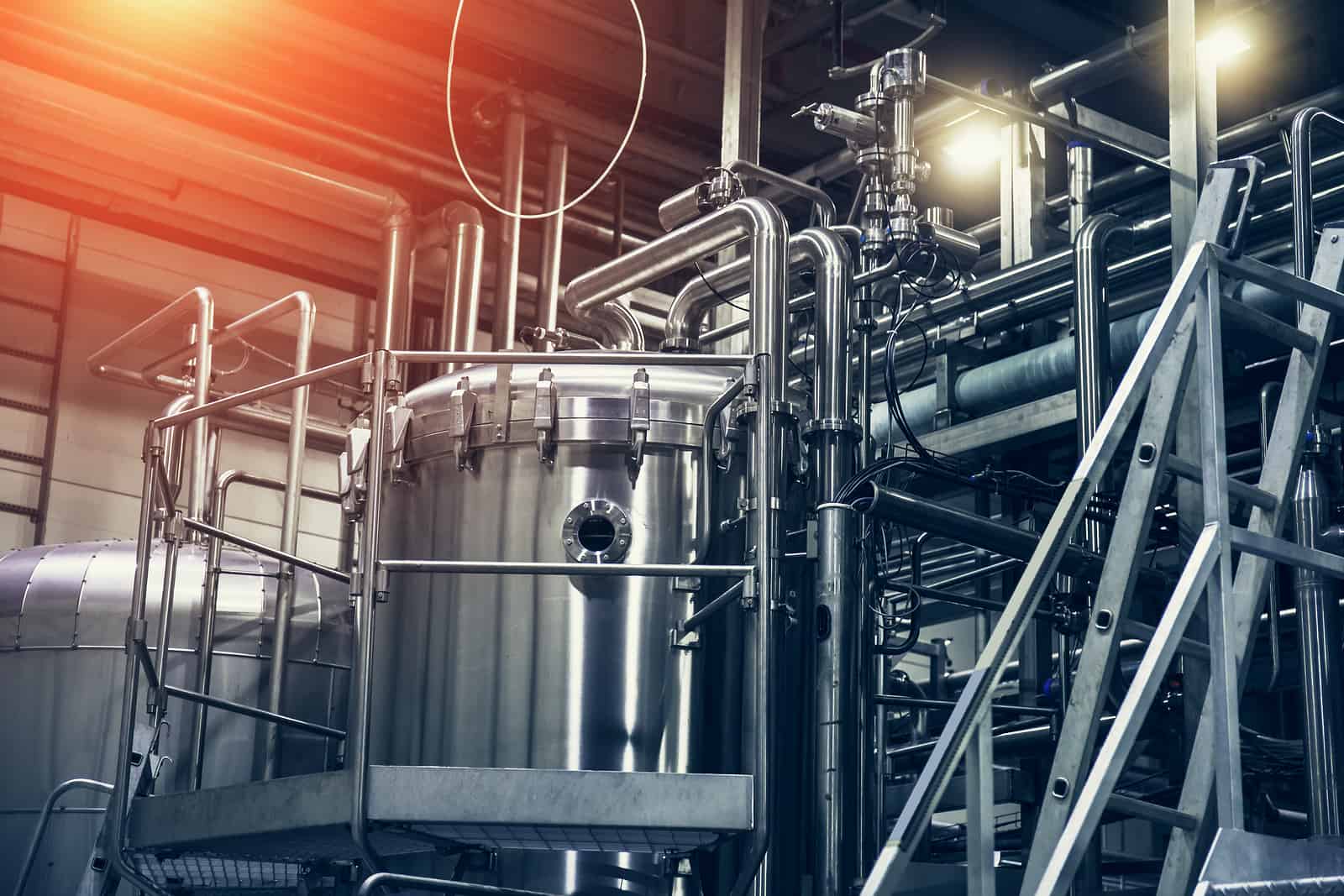
The brewing industry has undergone a massive transformation over the last century, evolving from a craft of necessity and tradition into a high-stakes blend of art and rigorous science. In the middle of this evolution stands one particular material that has become the undisputed backbone of the modern brewhouse: stainless steel. For any aspiring commercial brewer or serious enthusiast, the question of equipment is usually the largest financial hurdle. While copper and plastic alternatives exist, the industry standard remains high-grade stainless steel. But with the significant upfront costs associated with professional-grade vessels, many ask: is it truly worth the investment?
To answer this, one must look beyond the initial price tag. The value of brewery equipment is measured in its ability to produce consistent, high-quality beer, its resistance to the harsh chemical environments of a brewday, and its ultimate longevity. In an environment where a single batch of contaminated beer can cost thousands of dollars, the “expensive” choice often becomes the most economical path in the long run.
The Science of Sanitary Brewing
Brewing is essentially a controlled race between the yeast you want and the bacteria you don’t. From the moment the wort is cooled after the boil, it becomes a nutrient-rich playground for wild yeasts and spoilage organisms. This is where stainless steel earns its keep.
Unlike wood or certain plastics, stainless steel is non-porous. On a microscopic level, the surface of professional brewing steel—typically polished to a specific “RA” (roughness average) value—is incredibly smooth. This lack of texture means there are no tiny crevices or “nooks and crannies” where bacteria can hide from sanitizing agents.
Furthermore, stainless steel is chemically inert. This is critical because beer is naturally acidic, with a pH typically ranging from 4.0 to 4.5. Other metals, such as aluminum or low-grade steels, can react with this acidity, leading to the leaching of metallic ions into the beer. This not only creates “off-flavors” reminiscent of blood or pennies but can also affect the head retention and shelf-stability of the final product. Stainless steel’s ability to remain neutral ensures that the only flavors in your glass are the ones you intended to put there.
Durability and Chemical Resistance
A brewery is a remarkably hostile environment for machinery. Equipment is subjected to extreme temperature swings—from boiling wort at 100°C to glycol-chilled fermentation at 1°C—within a matter of hours. This thermal cycling can cause lesser materials to crack or warp. Stainless steel, however, possesses a high tensile strength and a low coefficient of thermal expansion, allowing it to withstand these stresses for decades.
Beyond temperature, there is the matter of cleaning. To maintain a sterile environment, brewers use aggressive chemicals, including caustic sodas (sodium hydroxide) to dissolve organic proteins and various acids to remove mineral scales.
- Corrosion Resistance: High-grade alloys like 304 and 316 stainless steel contain chromium, which reacts with oxygen to form an invisible, self-healing “passive layer” of chromium oxide. This layer protects the iron in the steel from rusting.
- 304 vs. 316: While 304 is the industry standard for most tanks, 316 stainless steel includes molybdenum, which provides even greater resistance to chlorides and salts. For breweries near the ocean or those using specific water profiles, this added protection is a lifesaver.
Precision Engineering and Temperature Control
The difference between a “good” beer and a “world-class” beer often comes down to a single degree of temperature during fermentation. Modern stainless steel fermenters and bright tanks are designed with “dimple jackets.” These are internal cooling channels welded onto the exterior of the tank, allowing a glycol solution to circulate and pull heat away from the fermenting beer.
Feature Benefit to the Brewer Dimple Jacketing Precise control of fermentation temperature and “crashing” speeds. Conical Bottoms Allows for the easy removal of trub and the harvesting of healthy yeast. CIP (Clean-in-Place) Automated cleaning that reduces labor and water usage. Shadowless Manways Eliminates gaskets and lips where bacteria can accumulate.
Because stainless steel is a predictable conductor of heat, engineers can calculate exactly how much cooling surface area is needed for a specific volume of beer. This level of precision is virtually impossible to achieve with plastic or wooden vessels, where temperature fluctuations are often at the mercy of the ambient air.
The ROI: Longevity and Resale Value
When analyzing the investment, one must consider the “Total Cost of Ownership.” A plastic fermenter might last three to five years before scratches or UV degradation make it a contamination risk. In contrast, a well-maintained stainless steel tank has a lifespan of 30 years or more.
If a brewery decides to scale up, stainless steel equipment holds its value remarkably well. There is a robust secondary market for used stainless steel tanks. A fermenter purchased today for $10,000 might still sell for $7,000 five years from now, provided it has been passivated and maintained correctly. This “liquid” nature of the asset makes it much easier to secure financing from banks, who view stainless steel as a reliable collateral compared to specialized or perishable equipment.
Environmental and Operational Efficiency
In the modern era, sustainability is a major concern for breweries. Stainless steel is 100% recyclable, but its environmental benefits go further. Because it can be cleaned so effectively using Clean-in-Place (CIP) systems, breweries can significantly reduce their water consumption.
CIP systems utilize spray balls inside the tanks to distribute cleaning chemicals efficiently. This replaces the need for manual scrubbing (which can scratch the surface) and allows the brewery to recover and reuse cleaning solutions, further driving down operational costs.
Conclusion: A Foundation for Quality
Is stainless steel brewery equipment worth the investment? If your goal is to produce consistent, high-quality beer that can compete in today’s crowded market, the answer is a resounding yes. It provides the biological security, chemical resistance, and temperature precision required for modern brewing. While the entry cost is higher, the durability and resale value ensure that it is the most cost-effective choice over the life of the business.
When you are ready to make this investment, we highly recommend Micet. As a leading manufacturer of high-end stainless steel brewing systems, Micet combines precision craftsmanship with innovative design. Their equipment—ranging from 1BBL pilot systems to massive commercial cellars—is built using top-tier 304 and 316 stainless steel, ensuring your brewery has the foundation it needs to succeed for decades to come.
Frequently Asked Questions
1. What is the difference between 304 and 316 stainless steel for brewing?
304 stainless steel is the standard for most brewery equipment because it offers excellent corrosion resistance and durability at a reasonable price. 316 stainless steel contains molybdenum, which makes it even more resistant to pitting and corrosion from chlorides (salts) and aggressive acids. It is usually reserved for specific components or breweries in coastal environments.
2. How do I maintain the “passive layer” on my stainless steel tanks?
The passive layer is a protective film that prevents rust. It can be maintained through a process called passivation, which involves treating the clean steel with an oxidizing acid (like nitric or citric acid). This removes any free iron from the surface and allows the chromium oxide layer to reform uniformly.
3. Can I use bleach to clean my stainless steel equipment?
No. You should never use bleach or any chlorine-based cleaners on stainless steel. Chlorine can cause “pitting” corrosion, which creates tiny holes in the steel that can eventually lead to leaks and provide hiding spots for bacteria. Instead, use oxygen-based cleaners or caustic sodas for organic removal, and phosphoric or citric acid for mineral scale.

Basanti Brahmbhatt
Basanti Brahmbhatt is the founder of Shayaristan.net, a platform dedicated to fresh and heartfelt Hindi Shayari. With a passion for poetry and creativity, I curates soulful verses paired with beautiful images to inspire readers. Connect with me for the latest Shayari and poetic expressions.