
How to Maintain Your Roof After Restoration in Brisbane Climate
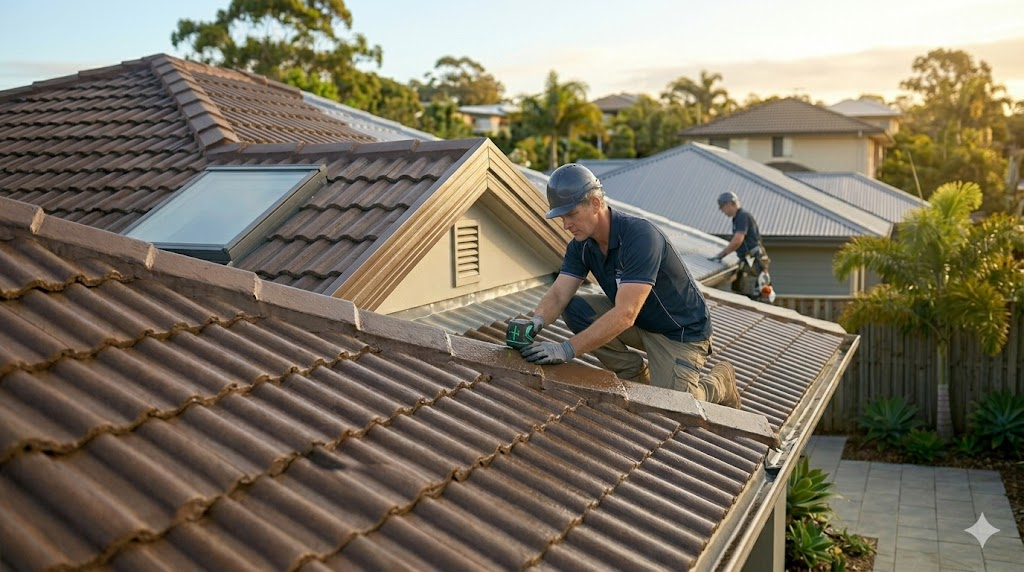
Completing a professional roof restoration is a significant milestone in home maintenance, providing your property with a renewed shield against the elements and a fresh, aesthetic appeal. However, in the volatile climate of Brisbane, where the weather can swing from blistering UV radiation to torrential subtropical downpours within hours, the work doesn’t end once the contractors pack up their ladders. Maintaining your roof after a restoration is essential to ensuring that the high-quality membranes and structural repairs remain effective for their full intended lifespan. The unique environmental stressors of Southeast Queensland—including high humidity, salt spray in coastal suburbs, and the rapid growth of organic matter—require a proactive maintenance strategy. Neglecting your roof after an upgrade can lead to a buildup of debris that traps moisture, potentially compromising the protective seal and leading to premature fading or peeling of the coating. By implementing a regular inspection routine and addressing minor issues before they escalate, you protect your financial investment and ensure your home remains a dry, energy-efficient sanctuary. This guide provides expert insights into the specific maintenance tasks required to navigate the Brisbane climate, helping you maximize the durability of your roof and avoid the need for another major overhaul for many years to come.
The Importance of Regular Gutter Maintenance and Debris Removal
The most fundamental step in preserving the integrity of Roof restorations Brisbane is ensuring that your drainage system remains completely unobstructed. In Brisbane, many homes are surrounded by native eucalyptus or deciduous trees that drop significant amounts of leaf litter, twigs, and bark throughout the year. When this organic matter accumulates in your gutters, it creates a damp environment that can lead to fascia rot and backflow under the bottom course of tiles. Furthermore, wet leaves sitting on a freshly coated roof surface can cause localized “hot spots” where moisture is trapped against the membrane, potentially leading to fungal growth or staining. You should aim to clear your gutters at least twice a year—ideally before the summer storm season and again after autumn. By maintaining a clear path for rainwater to exit your roof, you prevent the weight of standing water from stressing the structural battens and ensure that your newly restored surface can shed water as efficiently as it was designed to do.
Monitoring for Organic Growth and Fungal Recurrence
Brisbane’s high humidity and warm temperatures create the perfect breeding ground for moss, lichen, and algae, which can be particularly aggressive on porous surfaces. While a professional restoration includes an anti-fungal treatment, these microscopic spores are airborne and can eventually attempt to recolonize your roof, especially on south-facing sections that receive less direct sunlight. To maintain your roof’s long-term health, perform a visual inspection every six months to look for small green or orange spots starting to form on the tiles. If you spot early signs of regrowth, a gentle wash with a garden hose and a specialized, eco-friendly roof wash can prevent the lichen from taking root and damaging the new protective membrane. Never use a high-pressure cleaner for routine maintenance, as the intense force can strip the top layer of the membrane and reduce its UV-protective capabilities. Staying on top of organic growth ensures your roof remains vibrant and prevents the biological breakdown of the coating materials.
Inspecting Ridge Capping and Flexible Pointing Integrity
Even with the highest quality flexible pointing compounds used in modern restorations, the natural movement of a house due to Brisbane’s reactive clay soils can eventually cause minor stress points. The ridge capping is the “spine” of your roof, and its condition is critical for maintaining a watertight seal. Once a year, safely observe your ridge lines from the ground or a ladder to ensure there are no visible cracks in the pointing or signs of tiles shifting out of alignment. While flexible pointing is designed to move with the building, extreme weather events like hail or severe wind gusts can occasionally cause physical impact damage. If you notice any small gaps or loose mortar, getting a professional to perform a quick “touch-up” is a very affordable way to prevent major leaks. Ensuring the spine of your roof remains secure is vital for structural stability, as the ridges are often the first area to fail during the high-pressure winds common in Queensland’s unpredictable summer afternoon thunderstorms.
Trimming Overhanging Branches to Prevent Physical Damage
In many leafy Brisbane suburbs, the greatest threat to a restored roof comes from the surrounding landscape rather than the weather itself. Overhanging tree branches can act like sandpaper, constantly scratching and “scuffing” the protective roofing membrane as they sway in the wind. These scratches create entry points for moisture and UV rays, which can lead to premature degradation of the coating in those specific areas. Additionally, branches provide easy access for local wildlife, such as possums and rats, which can dislodge tiles or damage flashings while trying to find a way into your roof cavity. To protect your investment, ensure that all trees are trimmed back at least two to three meters from the roofline. This simple landscape maintenance task not only preserves the aesthetic finish of your roof but also reduces the amount of debris falling into your gutters. Keeping a clear “buffer zone” around your home is an essential part of long-term roof care that pays dividends in both structural longevity and pest prevention.
Evaluating Flashing and Valley Health After Storm Events
The metal components of your roof, such as the valleys and flashings around chimneys or skylights, are the most likely areas to experience wear and tear after a significant weather event. Brisbane is prone to intense hailstorms that can dent metal or cause “scour marks” on coated surfaces. After any major storm, it is wise to perform a quick check to ensure that valleys are not blocked with hailstones or debris and that the metal flashings haven’t been lifted by high winds. Metal valleys are designed to carry large volumes of water quickly; if they become obstructed, water can easily overflow into the roof cavity. Keeping these metal pathways clean and ensuring they are free from rust or physical blockages is essential for the overall performance of the roofing system. Professional maintenance often involves checking the “weep holes” in the mortar bedding to ensure they are clear, allowing any trapped moisture to escape. Regular monitoring of these critical junctions ensures your roof remains a fortified barrier against the next inevitable Queensland downpour.
Frequently Asked Questions
1. How often should I clean my gutters in Brisbane?
You should clean them at least twice a year, but if you have large overhanging trees, quarterly cleaning is recommended to prevent blockages during summer storms.
2. Can I walk on my roof to clean it after a restoration?
It is generally discouraged as walking on tiles can cause cracks or scuff the new coating. If necessary, use walk-boards or hire a professional with safety equipment.
3. Will the color of my roof fade over time?
While modern membranes have high UV resistance, some minor fading is natural over 10-15 years. Keeping the surface clean of dirt and salt will slow this process significantly.
4. Should I re-spray my roof every few years?
No, a professional restoration should last 10-15 years. You only need a “refresh” coat if the membrane shows signs of thinning or significant loss of gloss.
5. Is salt spray a problem for roofs in Brisbane?
Yes, if you live within 5km of the coast, salt can accumulate on tiles and corrode metal parts. A gentle fresh-water wash once a year helps neutralize this salt.
Final Thoughts
Maintaining your roof after a restoration in Brisbane is a small investment of time that yields massive rewards in terms of longevity and performance. By staying vigilant with gutter cleaning, managing surrounding vegetation, and performing regular visual inspections, you ensure that your home remains protected against the harshest elements. Remember that the goal of maintenance is prevention; addressing a small crack in the pointing or a minor moss growth today prevents a costly emergency repair tomorrow. Your roof is the most important shield your home has—treat it with care, and it will keep your family safe and dry for decades. Engaging with a local professional for a periodic “check-up” can provide total peace of mind, ensuring that your beautiful restoration continues to look brand new and perform at its absolute best regardless of what the Queensland sky delivers.

Basanti Brahmbhatt
Basanti Brahmbhatt is the founder of Shayaristan.net, a platform dedicated to fresh and heartfelt Hindi Shayari. With a passion for poetry and creativity, I curates soulful verses paired with beautiful images to inspire readers. Connect with me for the latest Shayari and poetic expressions.