
Bloodborne Pathogens: Protecting Yourself During First Aid
Introduction
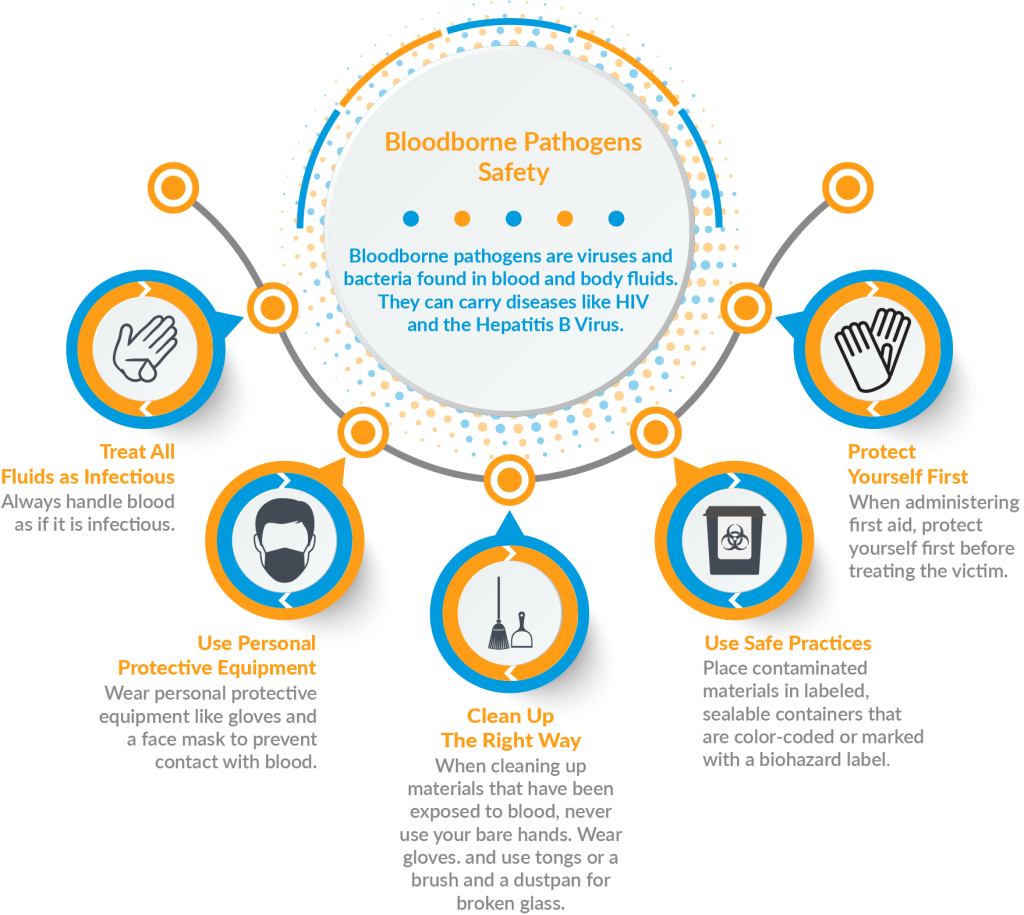
When providing first aid, emergencies can involve exposure to blood or other bodily fluids. Bloodborne pathogens are microorganisms, such as viruses and bacteria, that can cause serious infections. Understanding how to protect yourself while helping someone is essential for every caregiver, parent, or first responder. Proper precautions, equipment, and knowledge reduce the risk of transmission and ensure safe, effective care. This guide will explain key safety practices for first aid responders to protect themselves and others from bloodborne pathogens.
Understanding Bloodborne Pathogens
Bloodborne pathogens are microorganisms that can be transmitted through contact with infected blood or body fluids. Common examples include:
- Hepatitis B virus (HBV): Can cause liver infection and long-term complications.
- Hepatitis C virus (HCV): Often leads to chronic liver disease.
- Human immunodeficiency virus (HIV): Attacks the immune system and can progress to AIDS.
These pathogens can enter the body through:
- Open cuts or wounds
- Mucous membranes, such as eyes, nose, or mouth
- Needle sticks or sharps exposure
Being aware of how transmission occurs helps first aid responders take the right precautions.
Personal Protective Equipment (PPE) Essentials
Proper PPE is crucial for reducing the risk of infection during first aid:
- Gloves: Wear disposable gloves for all situations involving blood or bodily fluids. Change gloves if torn or contaminated.
- Masks and eye protection: Protect mucous membranes from splashes or sprays.
- Gowns or aprons: Use when large amounts of blood or fluids are present.
Having a well-stocked first aid kit that includes PPE ensures you are prepared to respond safely in emergencies.
Safe Handling and Cleanup of Blood
Preventing exposure requires careful handling of contaminated materials:
- Use absorbent materials or disposable towels to clean up blood.
- Place all contaminated items in a biohazard bag if available, or double-bag securely for disposal.
- Avoid touching your face, mouth, or eyes during cleanup.
- Wash hands thoroughly with soap and water after removing gloves, even if gloves were worn.
Following these steps minimizes the risk of transmitting pathogens to yourself or others.
Proper First Aid Techniques
When giving first aid to someone with visible bleeding, follow these safety practices:
- Direct pressure: Apply pressure with a clean cloth or sterile gauze to control bleeding.
- Barrier protection: Always use gloves or a protective barrier when contacting blood.
- Avoid suction: Do not attempt to suck out blood from wounds; this can increase risk of transmission.
- Sharp objects: Use caution with needles or broken glass; dispose of them safely in a sharps container.
Safe techniques protect both the responder and the injured person while effectively managing the emergency.
Recognizing High-Risk Situations
Certain scenarios increase the likelihood of exposure to bloodborne pathogens:
- Severe injuries with heavy bleeding
- Accidents involving needles, syringes, or medical equipment
- Contact with unknown bodily fluids in public or workplace settings
Being aware of high-risk situations allows you to respond with additional caution and ensures PPE is used consistently.
Post-Exposure Actions
Even with precautions, accidental exposure can occur. Immediate steps include:
- Wash the exposed area thoroughly with soap and water.
- Flush mucous membranes with clean water if splashed.
- Seek medical evaluation promptly, especially for needle sticks or significant blood contact.
- Report the exposure to your supervisor, school nurse, or local health authorities if in a workplace setting.
Prompt action reduces the likelihood of infection and allows timely medical intervention.
Vaccinations and Immunizations
Vaccination is a critical preventive measure for first aid responders:
- Hepatitis B vaccine: Strongly recommended for healthcare workers, caregivers, and anyone likely to be exposed to blood.
- Routine immunizations: Keep tetanus and other standard vaccines up to date.
Vaccinations, combined with PPE and safe techniques, provide layered protection against bloodborne pathogens.
Educating Caregivers and Responders
Knowledge and training are essential for safe first aid:
- Take certified first aid and bloodborne pathogen courses. For comprehensive training, you can check out the programs offered by MyCPR NOW.
- Practice proper hand hygiene, glove use, and safe cleanup techniques.
- Educate family members, coworkers, or volunteers on risks and precautions.
Training improves confidence, reduces panic during emergencies, and ensures consistent safety practices.
Preventing Cross-Contamination
Preventing the spread of pathogens requires attention to detail:
- Avoid sharing personal items like towels, razors, or toothbrushes.
- Wash clothes and linens contaminated with blood in hot water.
- Maintain a clean first aid area and sanitize surfaces after use.
Simple habits reduce the overall risk of infection and protect everyone in the environment.
Conclusion
Providing first aid is a vital skill, but protecting yourself from bloodborne pathogens is equally important. Using personal protective equipment, practicing safe techniques, recognizing high-risk situations, and responding appropriately after exposure can prevent serious infections. Vaccinations, proper hygiene, and education enhance safety for responders and patients alike. By understanding the risks and following these precautions, caregivers, parents, and first responders can confidently provide emergency care while minimizing the threat of bloodborne pathogens.

Basanti Brahmbhatt
Basanti Brahmbhatt is the founder of Shayaristan.net, a platform dedicated to fresh and heartfelt Hindi Shayari. With a passion for poetry and creativity, I curates soulful verses paired with beautiful images to inspire readers. Connect with me for the latest Shayari and poetic expressions.