
Pond Filter: Achieve Pristine Water with Expert Tips
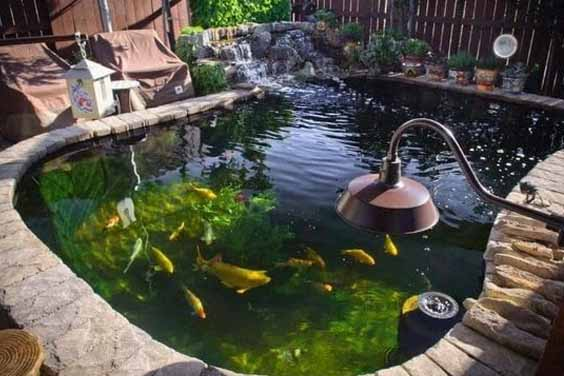
Ponds are a beautiful addition to any backyard, creating a serene and tranquil atmosphere that enhances the overall aesthetic of your outdoor space. However, maintaining clear, healthy water can be a challenge without the right equipment and regular upkeep. If you’ve ever struggled with cloudy, murky, or algae-filled water, you’ll know firsthand how frustrating and disheartening it can be to watch your pond’s beauty diminish. Not only does poor water quality affect the visual appeal of your pond, but it also threatens the health of your fish, plants, and the entire ecosystem within. A proper pond filter plays a crucial role in keeping the water clean by removing debris, excess nutrients, and harmful particles that could otherwise lead to poor water conditions. Moreover, it helps balance the pond’s biological processes, creating a healthier environment for your aquatic life. A high-quality filter can also reduce the frequency of maintenance, saving you time and effort while ensuring your pond remains vibrant and thriving. This guide will explore how pond filters work, the different types available, and offer practical tips for selecting and maintaining the ideal filter for your pond’s specific needs. Whether you’re a beginner pond owner or an experienced hobbyist, understanding the importance of pond filtration is key to achieving and maintaining a beautiful, healthy pond that will bring enjoyment for years to come.
What Is a Pond Filter?
A pond filter is an essential tool for keeping your pond water clean and balanced. It works to remove organic debris such as fish waste, fallen leaves, and decaying plant material, which can quickly cause an increase in harmful toxins like ammonia and nitrites. These toxins can harm aquatic life and cause algae blooms, turning your once serene pond into a murky swamp.
The Science Behind Pond Filtration
Pond filters operate in several ways, combining mechanical, biological, and sometimes chemical processes to maintain water quality. Mechanical filtration physically removes debris, while biological filtration hosts beneficial bacteria that break down harmful chemicals. Some advanced systems also use ultraviolet (UV) light to combat free-floating algae, ensuring your pond remains clear and healthy.
Types of Pond Filters
Choosing the right pond filter depends on the size of your pond, the type of fish you have, and the amount of maintenance you’re willing to perform. There are several types of pond filters, each offering specific benefits.
Mechanical Pond Filters
Mechanical filters are the first line of defense against debris in your pond. These filters trap large particles such as leaves, twigs, and fish waste before they can break down and cause harm. Examples of mechanical filters include skimmers and filter pads.
Box Skimmers
Box skimmers are mounted on the edge of the pond and work like a vacuum, drawing in debris from the surface of the water. They are easy to clean and maintain, as they use horizontal filter mats that can be rinsed regularly.
Submersible Filters
Submersible filters sit underwater and are ideal for smaller ponds under 1,000 gallons. They are compact and easy to install, but they may require frequent cleaning due to their susceptibility to clogging from debris.
Biological Pond Filters
Biological filters provide an environment for beneficial bacteria to thrive, which help break down toxins like ammonia and nitrites into less harmful substances. These filters are crucial for ponds with high fish populations, as they handle the unseen waste that mechanical filters can’t capture.
Pressurized Bead Filters
Pressurized bead filters are ideal for larger ponds and koi ponds. They use floating beads to trap debris while providing a habitat for bacteria. These filters require regular backwashing to avoid clogs.
Multi-Chamber Box Filters
Multi-chamber box filters are customizable for large ponds, offering separate sections for mechanical and biological filtration. These systems are low-maintenance and efficient when properly sized.
UV Clarifiers and Chemical Filters
For those dealing with persistent algae blooms or murky water, UV clarifiers are an excellent addition. These filters use ultraviolet light to target and kill free-floating algae, making it easier for mechanical filters to remove the clumped algae from the water.
Inline UV Units
Inline UV units are installed directly into the pond’s plumbing system. They treat the water as it passes through, making them a discreet and effective method for controlling algae growth.
Chemical Filters
Chemical filters, such as activated carbon or zeolite, can help absorb harmful metals and odors from the water. However, these should be used sparingly to avoid disrupting the delicate balance of bacteria in biological filters.
How to Choose the Right Pond Filter for Your Setup
Choosing the right filter for your pond requires considering several factors, such as the pond’s size, fish load, and local climate. Here’s how to make the best choice.
Pond Size and Fish Stocking
The size of your pond and the number of fish it contains will largely determine the type of filter you need. A small, low-stock pond may only require a simple all-in-one filter, while a larger pond with koi or other heavy feeders may need a more advanced setup, such as a pressurized bead or multi-chamber filter.
Location and Climate
Consider the location of your pond and the local climate. Shaded ponds tend to have fewer algae issues, so a lighter UV filter may suffice. On the other hand, ponds in sunny areas may require a stronger UV clarifier to prevent algae growth.
Maintenance and Budget
Filters come in a wide range of prices, and the ongoing maintenance costs can vary. Submersible filters are generally cheaper upfront but require more frequent cleaning. More complex systems, like biological or multi-chamber filters, have higher initial costs but are more efficient and require less frequent maintenance in the long term.
Step-by-Step Guide to Installing Your Pond Filter
Installing a pond filter is a straightforward process if you follow these steps. Here’s a general guide to help you get started:
Preparing Your Pond
Before installing your filter, calculate the volume of your pond and choose an appropriate location for the filter. Ensure the area is accessible for cleaning and maintenance.
Installing the Filter System
For external filters, dig a shallow hole for the filter and connect it to the pond’s pump and plumbing. If you are using a submersible filter, simply place it underwater and connect it to the pump.
Testing the System
Once everything is set up, run the filter and test for leaks or flow issues. It’s a good idea to monitor the system for the first few days to ensure it’s functioning correctly.
Pond Filter Maintenance Tips
A well-maintained pond filter will keep your water clear and your aquatic life thriving. Here are some tips to help you maintain your filter:
Regular Cleaning
Mechanical filters should be cleaned every 1-2 weeks to ensure optimal performance. Bio-media only needs to be cleaned gently a few times a year, while UV bulbs should be replaced annually.
Winterizing Your Pond Filter
If you live in a region with freezing temperatures, it’s important to winterize your pond filter. This may involve draining the system and storing it in a safe, dry place to prevent damage.
The Benefits of Using a Pond Filter
Investing in a quality pond filter comes with many benefits. A well-functioning filter improves water quality, reduces the need for chemicals, and makes pond maintenance much easier. Additionally, a good filter promotes healthier fish and plants, which leads to a more vibrant and enjoyable pond ecosystem.
Eco-Friendly Benefits
A pond filter reduces the need for chemical treatments, which can harm the environment. Additionally, certain filters, like bog filters, can operate without the need for electricity, making them an energy-efficient choice.
Conclusion: Achieving the Perfect Pond
With the right pond filter, you can enjoy crystal-clear water, a thriving aquatic environment, and an ecosystem that flourishes naturally. Whether you opt for a simple submersible filter for smaller ponds or a complex multi-chamber system for larger or more elaborate setups, selecting the right filter is essential for maintaining optimal water quality and ensuring the long-term health of your pond. A well-chosen filter not only removes debris and harmful toxins but also helps to establish a balanced environment that supports healthy fish, plants, and beneficial microorganisms. By investing in a quality filtration system, you can reduce algae growth, prevent harmful bacterial buildup, and keep your pond water looking pristine. Don’t overlook this crucial step in pond care—your pond will not only look more beautiful but will also thrive with healthier aquatic life, providing you with a peaceful, natural retreat right in your own backyard. With the proper filter in place, you’ll spend less time on maintenance and more time enjoying the serene beauty of your pond.

Basanti Brahmbhatt
Basanti Brahmbhatt is the founder of Shayaristan.net, a platform dedicated to fresh and heartfelt Hindi Shayari. With a passion for poetry and creativity, I curates soulful verses paired with beautiful images to inspire readers. Connect with me for the latest Shayari and poetic expressions.