
How an Investment Plan Supports Long-Term Financial Goals and Stability
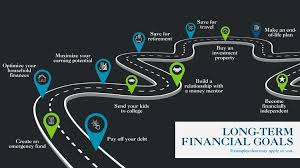
Building a secure financial future often requires more than saving money regularly. Financial success is usually strengthened through planning, consistency, and clear long-term goals. As economic conditions continue evolving, many individuals are looking for structured strategies that help them prepare for future responsibilities while improving financial confidence. An investment plan can play an important role in supporting those long-term objectives.
Financial planning has become increasingly important because people face changing financial priorities throughout different stages of life. From building financial security to preparing for future goals, organized planning encourages stronger money management habits and greater long-term stability.
Developing financial awareness early can help individuals make more informed decisions and strengthen their overall financial position.
Understanding an Investment Plan
An investment plan is a structured financial strategy designed to help individuals organize financial resources based on long-term objectives. Instead of relying only on savings, planning allows individuals to build greater financial discipline and establish clear financial direction.
Financial planning priorities may differ depending on personal circumstances.
Common considerations often include:
- Financial goals
- Income structure
- Long-term priorities
- Future financial responsibilities
- Personal financial preferences
A well-organized strategy creates stronger financial focus and supports consistent planning habits.
Why Financial Planning Matters More Than Ever
Financial priorities continue changing in today’s modern environment.
People increasingly recognize that future financial security often depends on preparation and consistency.
Several factors explain why long-term planning has become increasingly important.
Rising Living Costs
Economic conditions and inflation can influence long-term purchasing power.
Planning proactively allows individuals to prepare more effectively for future financial needs while strengthening long-term stability.
Evolving Financial Responsibilities
Financial priorities often change throughout different life stages.
Common financial goals may include:
- Retirement preparation
- Family financial support
- Education planning
- Emergency preparedness
- Long-term financial growth
Structured preparation supports stronger organization across these objectives.
Building Financial Independence
Long-term financial confidence often develops through discipline and planning.
Creating clear financial strategies supports stronger money management and encourages long-term consistency.
Benefits of Building a Structured Financial Strategy
Strong financial preparation provides multiple advantages.
Creates Clear Financial Direction
Planning supports stronger decision-making by helping individuals organize priorities.
Without clear direction, financial decisions may become inconsistent.
Structured strategies improve focus and support long-term objectives.
Encourages Financial Discipline
Consistency remains an important factor in financial progress.
Developing long-term financial habits strengthens organization and improves planning quality.
Disciplined approaches often contribute to stronger long-term outcomes.
Supports Financial Resilience
Unexpected financial situations may affect future plans.
Preparation strengthens financial readiness and improves long-term stability.
Long-term resilience remains an important financial objective.
Improves Financial Awareness
Planning encourages individuals to evaluate spending behavior and long-term priorities more carefully.
Financial awareness supports stronger decision-making.
Key Components of Effective Financial Planning
Building a stronger financial foundation often involves several important considerations.
Defining Financial Goals
Clear goals improve planning effectiveness.
Examples may include:
- Long-term financial growth
- Retirement objectives
- Wealth-building strategies
- Family financial priorities
- Future lifestyle planning
Defined goals strengthen long-term focus.
Understanding Financial Preferences
Financial strategies should align with personal priorities and future objectives.
Individual planning approaches may differ depending on circumstances.
Maintaining Consistency
Long-term planning often benefits from disciplined financial habits.
Consistency supports stronger financial preparation and organization.
Reviewing Progress Periodically
Financial situations may evolve over time.
Regular evaluations help individuals adapt strategies while maintaining alignment with future priorities.
Flexibility contributes to stronger planning quality.
Common Financial Planning Mistakes to Avoid
Strong financial preparation also involves recognizing habits that may weaken long-term progress.
Delaying Financial Preparation
Waiting too long to begin planning may reduce long-term opportunities.
Early preparation often strengthens future flexibility.
Lack of Financial Direction
Unclear priorities may weaken planning effectiveness.
Specific goals support stronger organization.
Emotional Decision-Making
Financial decisions influenced by emotions sometimes create unnecessary challenges.
Structured planning encourages consistency and objective thinking.
Limited Financial Awareness
Financial knowledge supports stronger decision-making.
Education contributes to improved planning quality.
The Role of Financial Education in Long-Term Success
Financial awareness continues playing an important role in long-term planning.
Improving financial understanding supports:
- Better money management
- Stronger goal setting
- Improved financial organization
- Long-term discipline
- Greater financial confidence
Knowledge strengthens preparation and contributes to stronger financial habits.
Individuals building long-term financial strategies may benefit from understanding available investment plan options while strengthening broader financial planning efforts.
Financial Planning Trends Influencing the Future
Financial management continues evolving alongside technology and changing financial priorities.
Several trends continue shaping modern planning strategies.
Digital Financial Solutions
Technology has improved access to financial information and planning tools.
Digital resources support stronger convenience and organization.
Increased Focus on Financial Wellness
People increasingly prioritize long-term stability alongside immediate financial goals.
Financial resilience continues gaining importance.
Growing Financial Awareness
Financial education initiatives encourage stronger planning habits.
Awareness supports long-term financial confidence and improved decision-making.
Frequently Asked Questions
1. Why is long-term financial planning important?
Long-term planning supports future stability and strengthens financial preparedness.
2. When should financial planning begin?
Financial preparation can begin at different stages of life. Starting early often improves long-term flexibility.
3. How does consistency support financial planning?
Consistent financial habits strengthen long-term organization and support future financial goals.
Conclusion
Building long-term financial security requires preparation, discipline, and structured planning. An investment plan supports stronger financial organization, improves long-term decision-making, and helps individuals align financial actions with future priorities. By strengthening financial habits today, individuals can create greater financial confidence and build a stronger foundation for long-term stability in the future.

Basanti Brahmbhatt
Basanti Brahmbhatt is the founder of Shayaristan.net, a platform dedicated to fresh and heartfelt Hindi Shayari. With a passion for poetry and creativity, I curates soulful verses paired with beautiful images to inspire readers. Connect with me for the latest Shayari and poetic expressions.