
Reclining Sofa Trends Shaping Today’s Furniture Industry
The living room has quietly become the most scrutinized space in modern homes, and no piece has evolved as rapidly as the reclining sofa. Once dismissed by design purists as bulky, utilitarian, and visually heavy, it now sits at the center of a broader shift in how people define comfort, wellness, and interior authority. Designers, ergonomists, and industry analysts increasingly agree: reclining seating is no longer a compromise between relaxation and style, it is where both meet. From power headrests and zero-gravity mechanics to slim silhouettes and premium performance textiles, the category has quietly matured. This article looks at the reclining sofa through the lens of the professionals who follow the market closely: what has changed, why designers now specify it in high-end interiors, and which trends will shape the next generation of living rooms. Whether refurnishing a family space or curating a considered lounge, understanding these industry signals helps buyers make a decision that feels intentional rather than impulsive.
The Category That Redefined What Modern Comfort Means
For decades, the reclining sofa was treated as a functional outlier, tolerated for its comfort but rarely praised for its aesthetics. That perception has shifted dramatically over the past five years. Interior designers now speak about reclining seating in the same conversations as bouclé accent chairs, sculptural coffee tables, and curated art walls. The transformation began with silhouettes: manufacturers slimmed down the arms, tightened the seat cushions, and eliminated the visual heaviness of legacy designs. What remained was a piece that behaved like a traditional stationary sofa when at rest but transformed on demand. Industry watchers describe this as the “quiet mechanization” of the living room, a movement where technology hides inside beautifully upholstered forms. As a result, a modern reclining sofa can sit alongside a mid-century credenza or a minimalist rug and never look out of place. This is the shift that opened the category to designers, architects, and homeowners who previously would not have considered motion furniture at all.
Wellness, Posture, and the Rise of Ergonomic Authority
Beyond aesthetics, the deeper industry story revolves around wellness. Ergonomic research from occupational health specialists has increasingly focused on how people sit at home, not just at work. With hybrid work now permanent for many, the living room has absorbed hours that once belonged to the office. Reclining seating responds to this pressure directly. Adjustable lumbar zones, articulated headrests, and calibrated recline angles help distribute weight across the spine, easing the pressure that builds during long stretches of screen time or evening reading. Zero-gravity engineering, borrowed from aerospace principles, elevates the legs slightly above the heart, a position clinicians associate with reduced lower-back load and improved circulation. Furniture buyers used to select sofas by look first and comfort second. Industry data now suggests the order has reversed for a growing segment of consumers, particularly those over thirty-five, who see reclining functions as a health investment rather than a luxury indulgence.
Materials and Craftsmanship Setting the New Standard
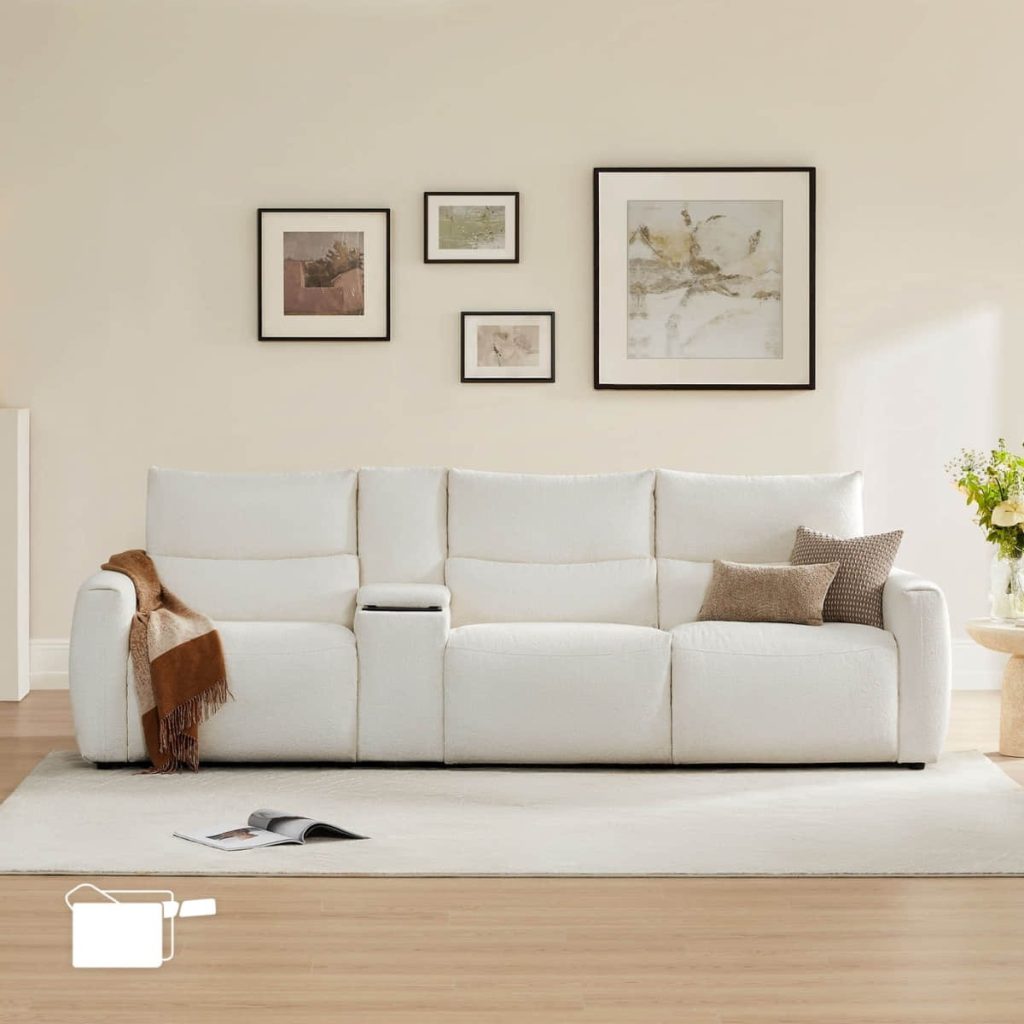
Materials are another area where the category has moved forward significantly. Performance fabrics engineered to resist stains, pet hair, and daily abrasion now rival the softness of traditional upholstery. Top-grain leathers are treated to age gracefully rather than crack under exposure. Frames have shifted toward kiln-dried hardwoods reinforced with steel mechanisms designed for tens of thousands of recline cycles. Cushion cores blend high-resilience foam with wrapped coil systems or gel-infused layers, aiming to maintain shape rather than sag after a few seasons of use. For discerning buyers, this level of construction is a signal of authority. It separates modern reclining pieces from the disposable seating that dominated the mid-2000s. Brands such as CHITA LIVING have leaned into this expectation, presenting motion sofas as furniture that belongs in the same tier of consideration as a well-made dining table or a heritage armoire, pieces meant to serve a household for years rather than seasons.
Technology That Disappears Into the Design
The most visible trend among industry insiders is the disappearance of visible technology. In earlier generations, motion sofas advertised their mechanics through oversized levers, exposed cables, and bulky footrest housings. Today, power controls sit flush inside the arm, often behind a discreet touch panel. USB-C ports and wireless charging pads are integrated into cup holders or armrest consoles. Some models include memory settings that recall preferred recline positions for individual users. Ambient underglow lighting has appeared on premium releases, subtly illuminating the floor for late-night television viewing without waking a sleeping partner. What unites these features is restraint. Designers insist that technology should serve comfort, not dominate the room. The best-received releases at recent furniture markets shared a common trait: their motion capabilities were nearly invisible until activated, allowing the piece to read as a considered design object first and a mechanical one second.
Space, Modularity, and the Flexible Living Room
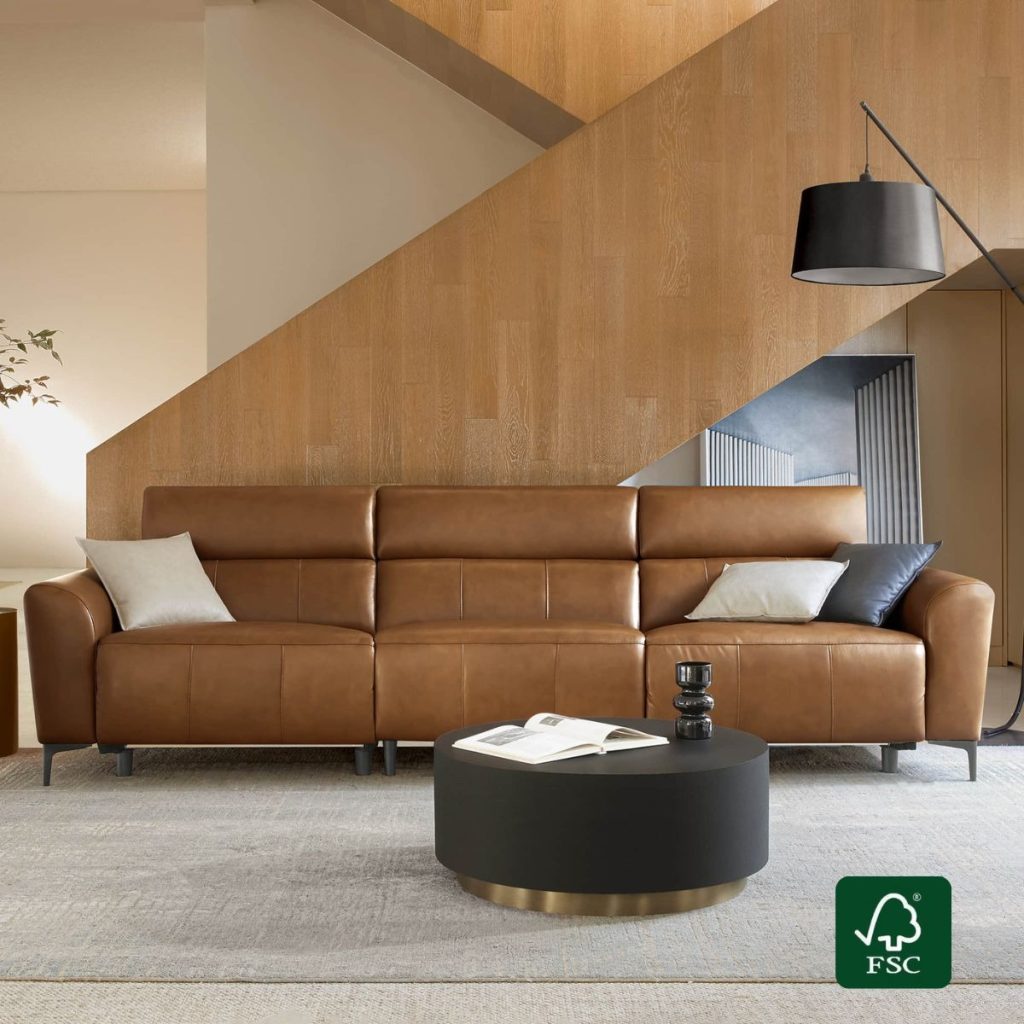
The way people live is changing, and the reclining sofa is adapting to keep pace. Modular configurations, once reserved for stationary sectionals, are now widely available in motion form. Buyers can assemble corner units, chaises, and standalone recliners into arrangements that match their room shape rather than forcing the room to accommodate a single fixed footprint. Wall-hugger designs, which recline forward instead of backward, have become essential for apartments and open-plan spaces where every inch counts. Split-back designs allow two people to recline independently without disturbing each other, a small but meaningful update for households with different routines. Industry commentators point out that this flexibility is one of the strongest tailwinds behind the category’s growth. A reclining sofa is no longer a static purchase, it is a system that can be reconfigured, expanded, or reupholstered as a family’s needs evolve.
Sustainability and the Longer-Life Sofa
Sustainability, once a peripheral concern in motion furniture, has moved to the center of industry conversation. Frames made from responsibly sourced hardwoods, recyclable steel mechanisms, and cushion foams free of harmful chemicals are increasingly the baseline expectation rather than a premium upsell. Packaging has slimmed down, and shipping efficiency has improved through smarter component design. Perhaps more importantly, the industry is beginning to talk about longevity as a form of sustainability. A well-built reclining sofa that lasts fifteen years is a better environmental outcome than three cheaper pieces that fail within five. This framing resonates with buyers who want their spending to reflect their values without sacrificing the comfort they expect from a modern living room.
Where the Living Room Goes From Here
The reclining sofa has completed a remarkable evolution, moving from a functional afterthought to a piece that leading designers actively specify in polished, cohesive interiors. The trends driving that shift are unlikely to reverse. Wellness-oriented ergonomics, quiet integrated technology, refined materials, modular flexibility, and a stronger commitment to sustainability are shaping every new release worth taking seriously. For homeowners considering a purchase, the practical takeaway is straightforward: judge the piece by how it looks at rest, how it feels after an hour of use, and how it is likely to hold up over years of daily life. When those three qualities align, the reclining sofa stops being a compromise and starts functioning as the quiet anchor of a considered, comfortable home. The living room of the next decade will reward those who read the signals early.

Basanti Brahmbhatt
Basanti Brahmbhatt is the founder of Shayaristan.net, a platform dedicated to fresh and heartfelt Hindi Shayari. With a passion for poetry and creativity, I curates soulful verses paired with beautiful images to inspire readers. Connect with me for the latest Shayari and poetic expressions.