
Golf and Wellness Retreats: How Resorts Are Blending Fitness, Spa, and Fairways
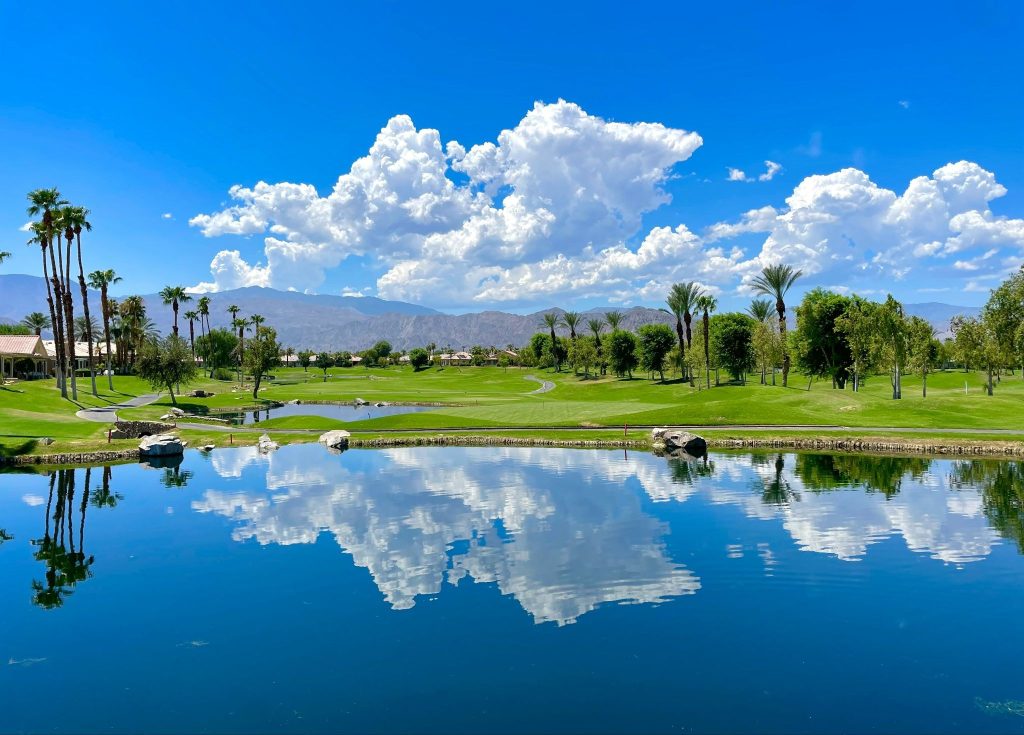
Golf travel is changing. For years, many players planned trips around one thing: the course. They wanted strong layouts, good greens, scenic holes, and enough tee times to make the travel worth it. That still matters, but many golfers now want more from a resort stay. They want recovery, strength training, better food, spa treatments, mental rest, and activities their non-golfing companions can enjoy.
This is why golf and wellness retreats are becoming more popular. Resorts are no longer treating golf as a stand-alone activity. They are building full experiences around it. A morning round can now be followed by stretching, massage, hydrotherapy, guided fitness, healthy meals, and quiet downtime. The goal is simple: help guests play better, feel better, and return home refreshed instead of tired.
Golf Travel Is Becoming More Lifestyle-Focused
Traditional golf trips often meant long days on the course, late dinners, and little attention to recovery. That can still be fun, but it is not always sustainable. Many golfers now care about energy, mobility, sleep, and long-term health. They want trips that support their lifestyle, not interrupt it.
Wellness-focused golf resorts respond to that demand. They combine championship fairways with fitness centers, yoga studios, walking trails, spa facilities, nutrition programs, and recovery spaces. This creates a trip that appeals to serious golfers, casual players, couples, families, and corporate groups.
The modern golf traveler may still pack clubs first, but they also think about comfort, body care, and balance. Some review gear before traveling, including guides like the best golf drivers of all time, because equipment, fitness, and course strategy all play a part in creating a better golf experience.
Fitness Is Now Part of the Golf Experience
Golf resorts are adding fitness programs that directly support better movement on the course. These are not only general gym sessions. Many properties now offer golf-specific training that focuses on flexibility, rotation, balance, core strength, and injury prevention.
A golfer who struggles with tight hips, limited shoulder turn, or lower back pain can benefit from a guided mobility session before or after a round. These small improvements can help players swing with less strain. They can also reduce fatigue during multi-day golf trips.
Some resorts offer personal training sessions built around golf performance. Others include group classes such as Pilates, yoga, strength circuits, and stretching. These activities help guests stay active without overloading the body. For older golfers, this can make a retreat more enjoyable because it allows them to keep playing while protecting their joints and muscles.
Spa Treatments Help Golfers Recover Faster
Spa services have become a major part of the golf retreat experience. After 18 holes, the body can feel tight, especially in the back, shoulders, calves, and forearms. Resorts now offer treatments designed to support recovery from golf-specific stress.
Sports massage, deep tissue therapy, hot stone treatments, and stretching sessions can help players loosen up after a round. Hydrotherapy pools, steam rooms, saunas, and cold plunges also give guests more ways to recover between tee times.
This matters because many golf retreats include several rounds over a few days. Without recovery, performance can drop quickly. A player may feel strong on day one but stiff by day three. Spa and recovery services help guests stay comfortable throughout the trip.
Wellness also adds value for guests who do not play golf. A spouse, friend, or family member may enjoy the spa while others are on the course. This makes golf resorts more appealing for mixed groups where not everyone wants to spend the day on the fairways.
Better Food Supports Better Play
Nutrition is another reason golf and wellness retreats work well together. Golf takes focus, patience, and energy. Heavy meals, poor hydration, and sugary snacks can lead to fatigue during a round. Resorts are responding with menus that include lighter meals, fresh ingredients, balanced snacks, and hydration options.
Many wellness-focused golf destinations now offer breakfast choices that prepare players for the course. These may include eggs, oatmeal, fruit, yogurt, lean proteins, and whole grains. On-course food is also improving, with more resorts offering healthier grab-and-go options instead of only fried food or sweets.
Dinner is changing too. Guests can still enjoy fine dining, but many resorts now include menus built around fresh seafood, vegetables, lean meats, and local produce. This supports the idea that a golf trip can feel enjoyable without leaving guests sluggish.
For players who care about performance, food can be part of the strategy. Good nutrition helps with stamina, decision-making, and consistency, especially during warm weather rounds.
Resorts Are Making Golf More Inclusive
Wellness retreats also make golf resorts more welcoming. Not every traveler wants a trip built only around serious competition. Some guests want beginner lessons, short-course play, putting clinics, spa time, fitness classes, and relaxation.
This shift helps resorts attract new golfers. A beginner may feel more comfortable joining a retreat where golf is one part of a larger wellness experience. They can take lessons, play nine holes, enjoy the spa, and avoid the pressure of a full golf-only itinerary.
Experienced players also benefit. They can sharpen their game while enjoying a more complete vacation. During a retreat, a player might work on ball striking in the morning, take a recovery treatment in the afternoon, and enjoy quiet time in the evening. Some may also use the trip to evaluate their setup, including irons that match their skill level, such as the best cavity back irons for players who want forgiveness and consistency.
Mental Wellness Fits Naturally With Golf
Golf is not only physical. It is also mental. A player can have good technique but still struggle with focus, tension, and confidence. Wellness retreats are starting to address this side of the game too.
Some resorts offer meditation, breathwork, mindfulness sessions, and quiet outdoor activities. These can help golfers slow down and manage pressure. A calm mind can lead to better decisions on the course. It can also make the game more enjoyable.
This is important because many people travel to escape stress. If a golf resort only fills the schedule with tee times, guests may return home tired. A wellness retreat gives them space to recover mentally. It allows them to enjoy golf without feeling rushed.
Walking the course can also support mental wellness. The combination of fresh air, movement, open space, and focus can feel restorative. When paired with spa treatments and proper rest, golf becomes part of a healthier rhythm.
Technology Is Enhancing the Retreat Experience
Many resorts now use technology to personalize golf and wellness programs. Swing analysis, launch monitors, fitness assessments, and recovery tracking can help guests understand their bodies and their games.
A player might receive a swing review, mobility test, and custom fitness plan during the same retreat. This creates a more useful experience than a standard vacation. Guests leave with practical feedback they can use at home.
Some resorts also offer club fitting, simulator sessions, and performance coaching. These services appeal to players who want improvement, not only relaxation. A skilled golfer may use a wellness retreat to fine-tune technique, improve strength, and better understand equipment choices, including options like the best blade irons for players who prefer precision and shot control.
Why This Trend Will Keep Growing
Golf and wellness retreats match the way many people now think about travel. Guests want experiences that feel personal, useful, and restorative. They want to enjoy their hobbies while taking care of their health.
Resorts also benefit from this shift. A golf-only guest may come for a weekend. A wellness-focused guest may stay longer, book spa treatments, join fitness programs, bring family, and return for another retreat. This creates more value for both the resort and the traveler.
The trend also fits the needs of different age groups. Younger travelers often want active, experience-based trips. Older golfers may want recovery and joint-friendly fitness. Couples may want a balanced vacation where golf, spa, food, and rest all fit together.
The Future of Golf Retreats
The future of golf resorts will likely focus on complete well-being. Courses will still matter, but they will be part of a larger experience. The best destinations will combine strong golf design with smart recovery, quality food, expert coaching, and relaxing spaces.
Golfers will no longer choose resorts only by course rankings. They will also ask better questions. Does the resort offer recovery services? Are there fitness programs for golfers? Is the food healthy and satisfying? Can non-golfers enjoy the trip? Is there enough time to rest between rounds?
This change does not take anything away from golf. It makes the trip better. When players feel stronger, looser, calmer, and more rested, they can enjoy the course more fully.
Golf and wellness retreats show where the game is heading. The fairway is still the center of the experience, but it now connects with fitness, spa, nutrition, and recovery. For many travelers, that blend turns a simple golf trip into something more valuable: a vacation that improves both the body and the game.
About the Author
Jordan Fuller is a professional golfer and golf writer who shares expert insight on travel, equipment, performance, and the modern golf lifestyle.

Basanti Brahmbhatt
Basanti Brahmbhatt is the founder of Shayaristan.net, a platform dedicated to fresh and heartfelt Hindi Shayari. With a passion for poetry and creativity, I curates soulful verses paired with beautiful images to inspire readers. Connect with me for the latest Shayari and poetic expressions.